

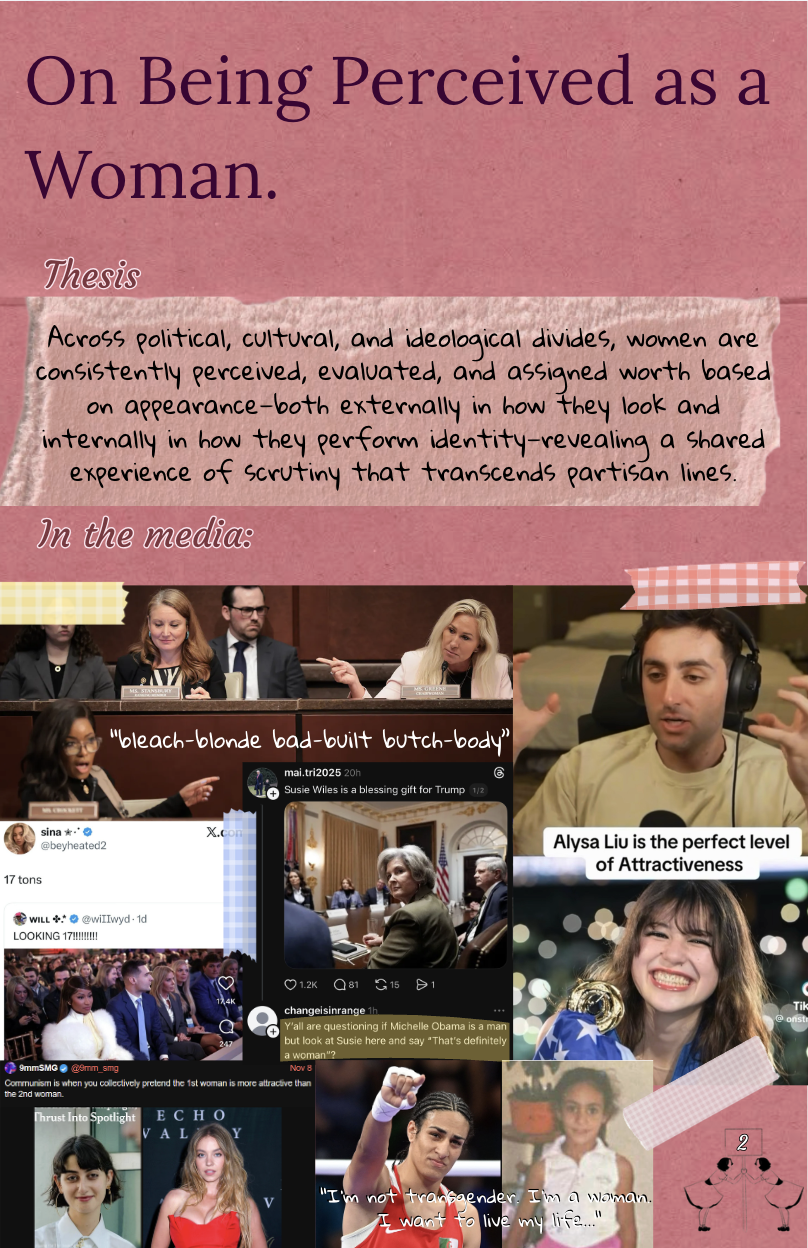
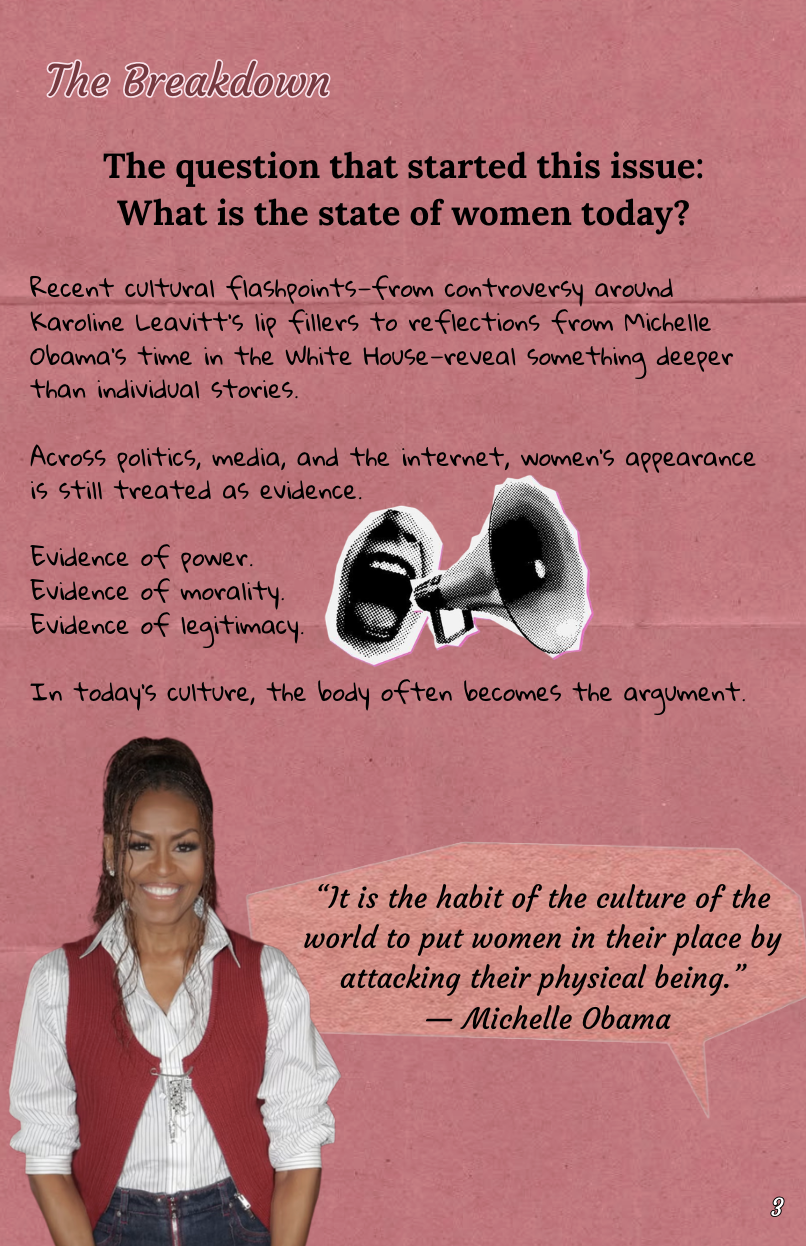
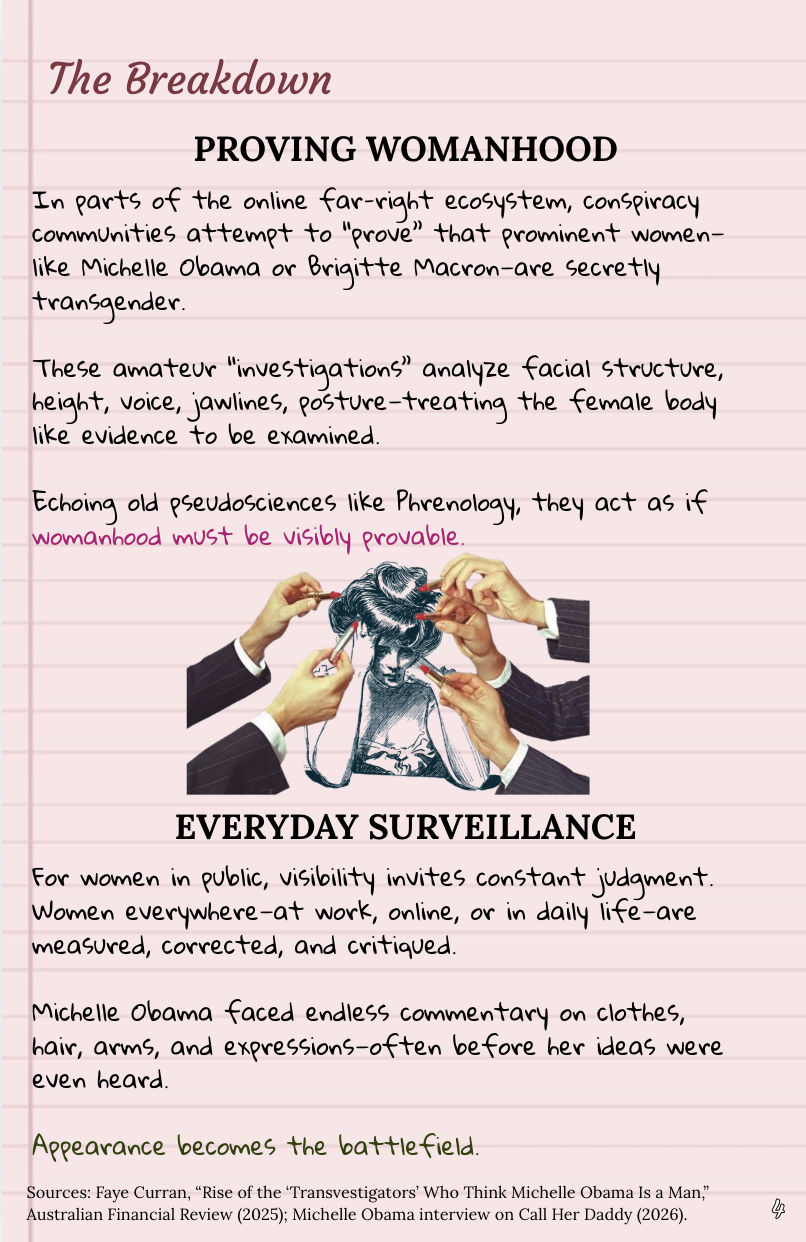
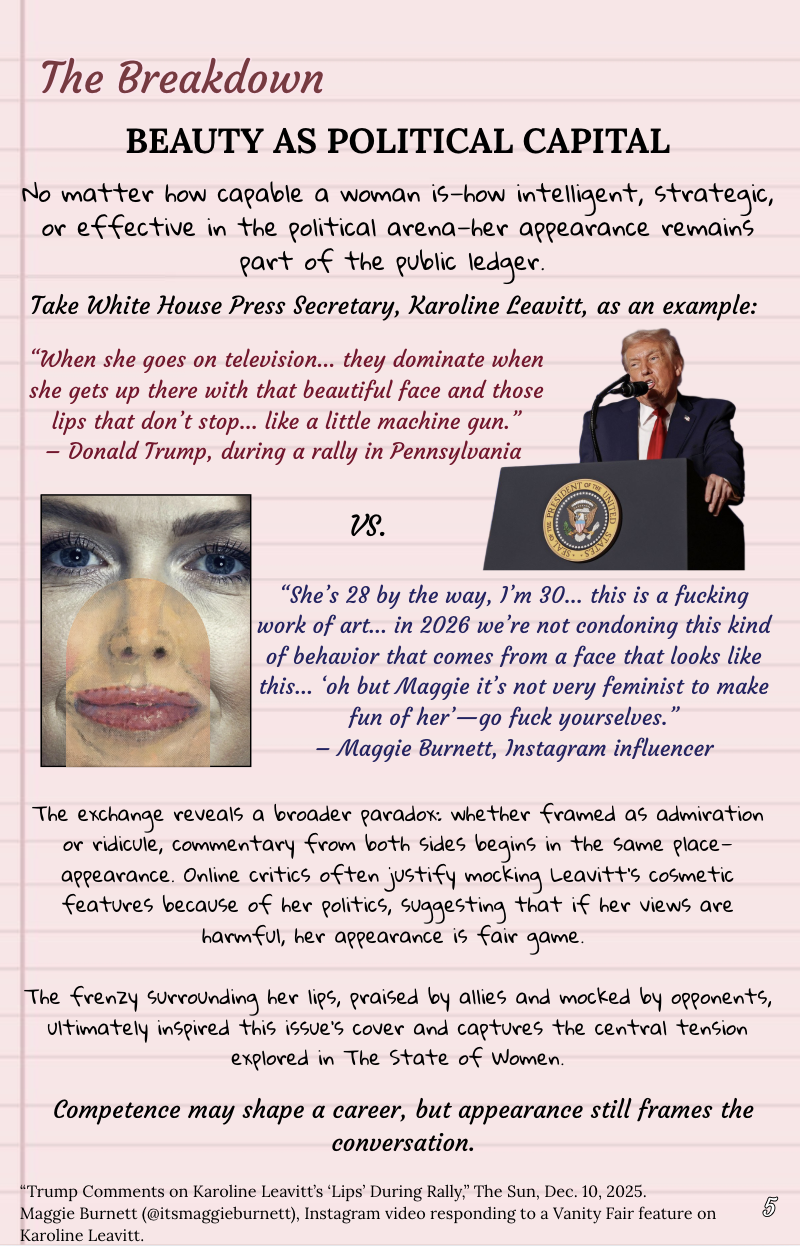
THE BREAKDOWN: On Being Perceived as a Woman



LONG ESSAY:
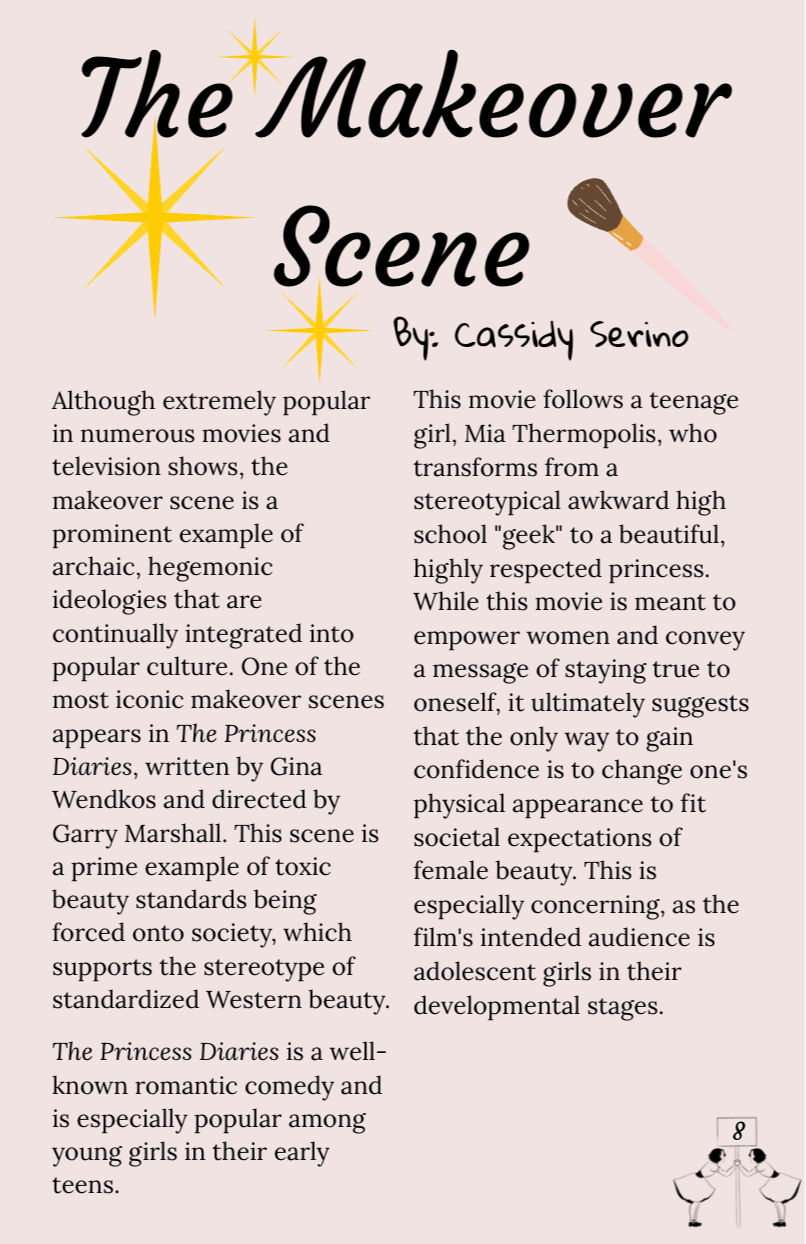
By: Cassidy Serino


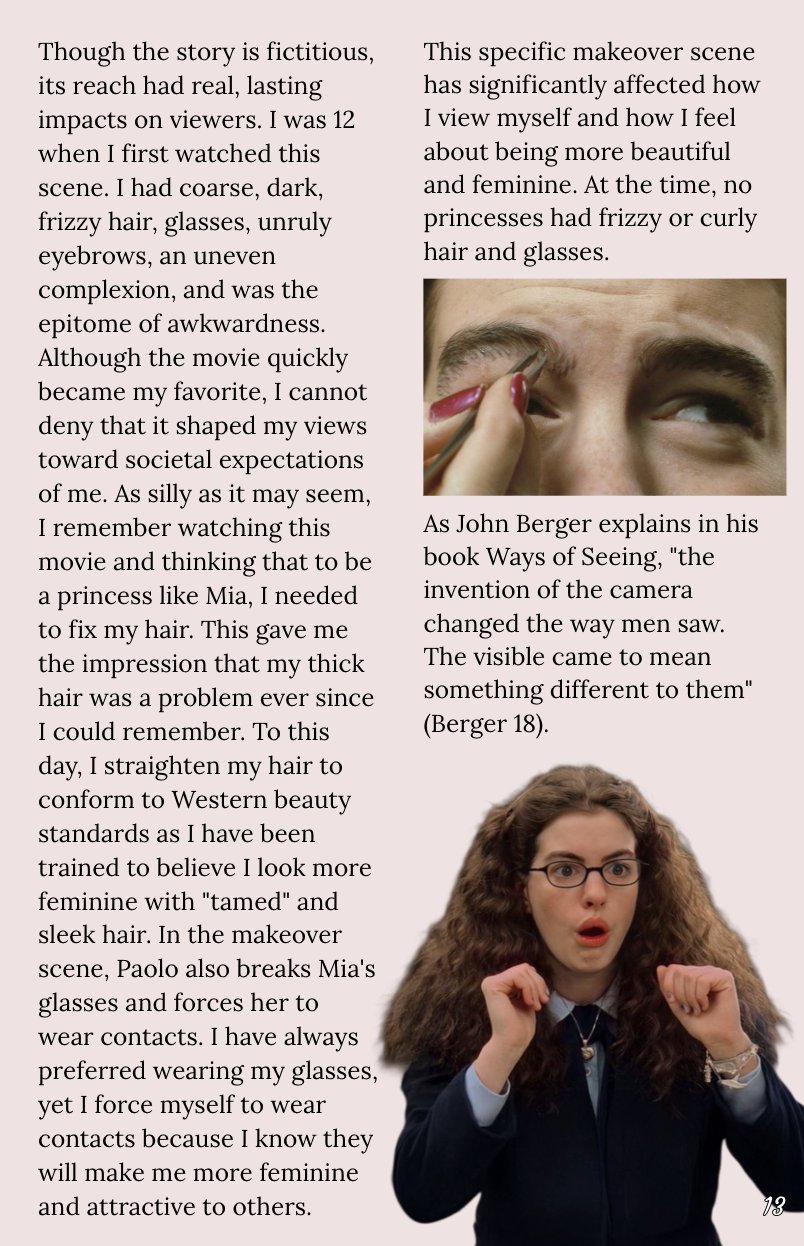
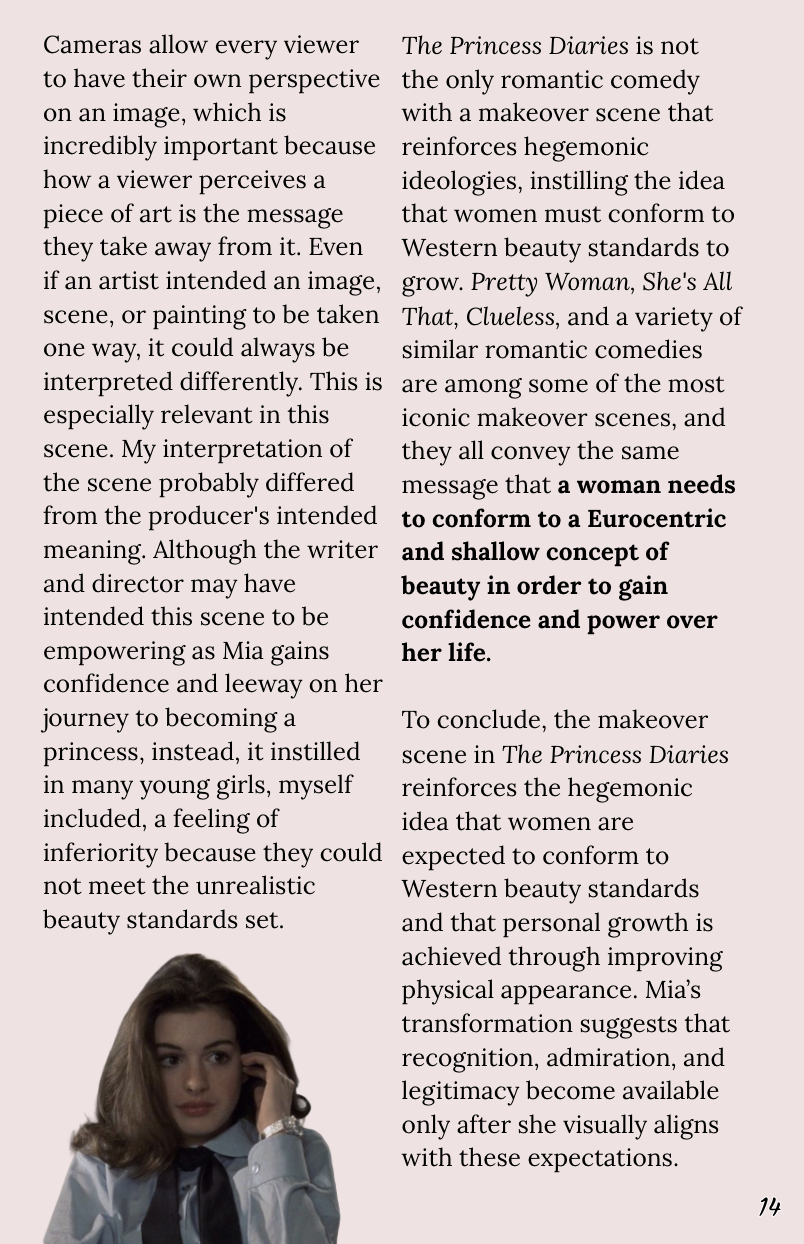
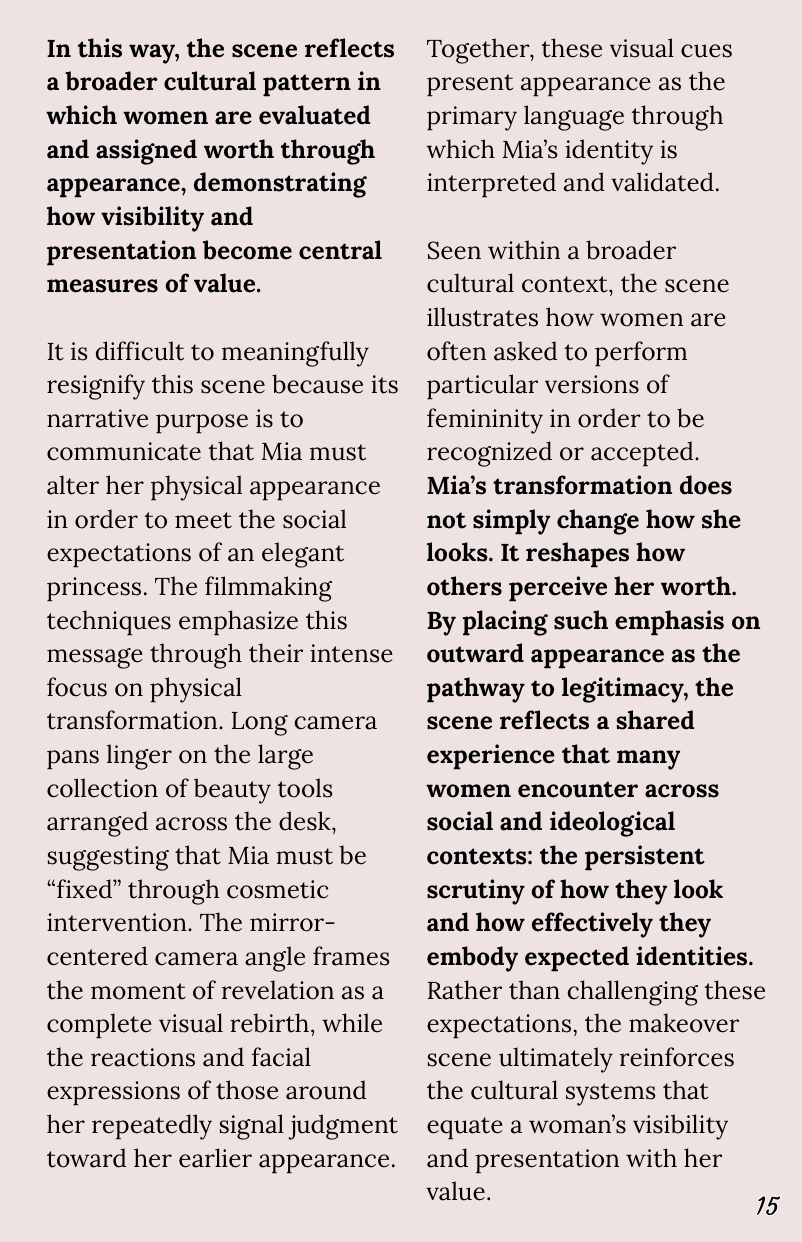

You See
By: Natalie Straton
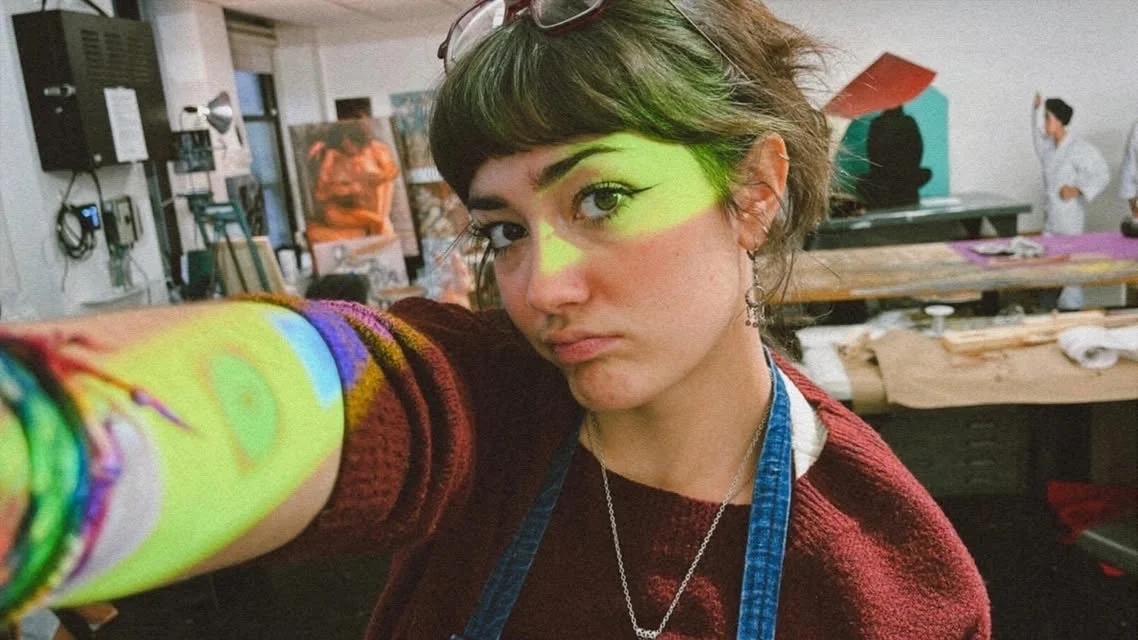
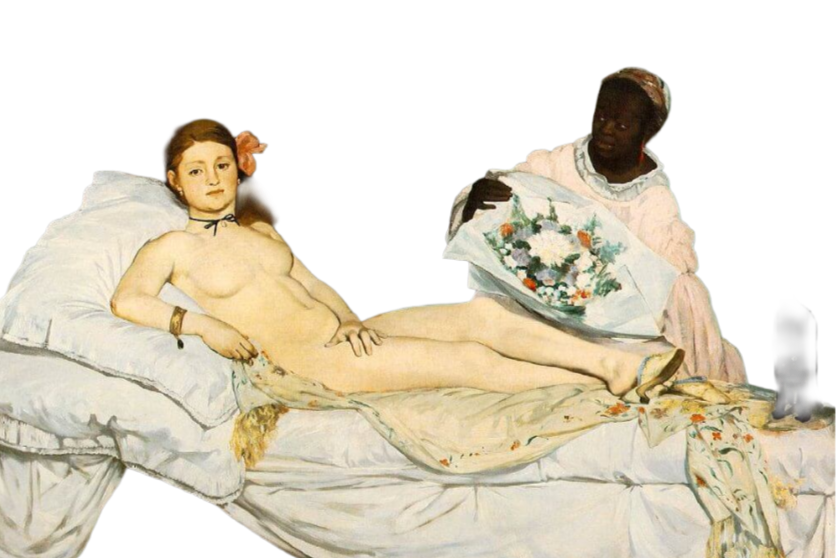
This etching titled, “You See,” is an exploration of nudity versus nakedness, sexual self-consciousness and the implication of the viewer as discussed in T.J. Clark’s The Painting of Modern Life. Clark explains the nude as “human form in general, abstracted from life, contact, attraction, even gender...In order to stay virgin the nude in art must be impersonal and must not particularize” (Clark 133).
This is a notion I challenge literally by depicting myself. Through body language, facial features, and my haircut the subject of the print is recognizable as a particular woman: me. The nude is no longer a generalized idea in the same way Botticelli’s or Cabanel’s Venuses art, and is instead full of particularity.
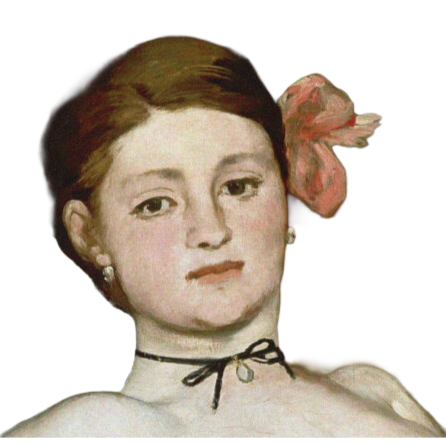
Secondly, Clark writes about Olympia’s awareness of her sexuality: “Desire itself, in a form which carried any conviction, was the property now--the deliberate production--of the female subject herself. It was there in her gaze, her address to the viewer, her consciousness of being looked at for sexual reasons and paid accordingly...” (131).
Though I am not insinuating that I am a prostitute, or inviting a sexual encounter, I still mark my awareness of being perceived and depicted, almost like an art object. The mirror is representative of self-awareness, as is the title. ‘You See’ alludes to the idea of seeing yourself in the mirror--being self-aware--and knowing that there is something to hide and acknowledging to yourself that you will not hide it.
Unlike the nude, which “hides nothing because there is nothing to hide” (Lemmonier 135), or Olympia who is covering her genitals in a very deliberate way, I intentionally do not hide myself for the sake of my craft. The title also acts as an accusatory statement directed at the viewer: “I know you see me.” Instead of looking at myself in the mirror, I look at the viewer in an acknowledgment of the male gaze and my sexuality.
To Clark, the viewer of a nude “had to be offered a place outside the pictre and a way in...: (132). He suggests one way of doing this is through the gaze of the woman, inviting the viewer to look. In ‘You See,’ this becomes the function of the mirror. There is both the outward gaze directed at the viewer, as well as my own body which is looking at itself. There is no figure compositionally to represent the audience, but my gaze in the mirror creates a path that deliberately involves them.
I wanted to invite the viewer into the work instead of making space for them outside of it, addressing my own sexuality and nakedness while implicating them in doing the same.
MORE THAN JUST A BODY
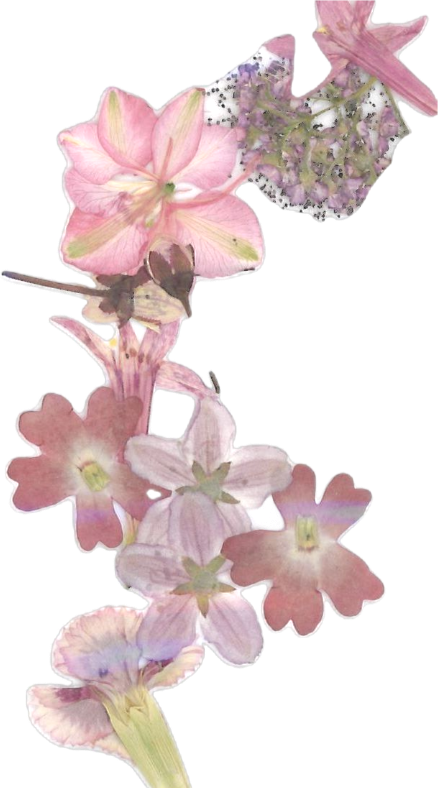
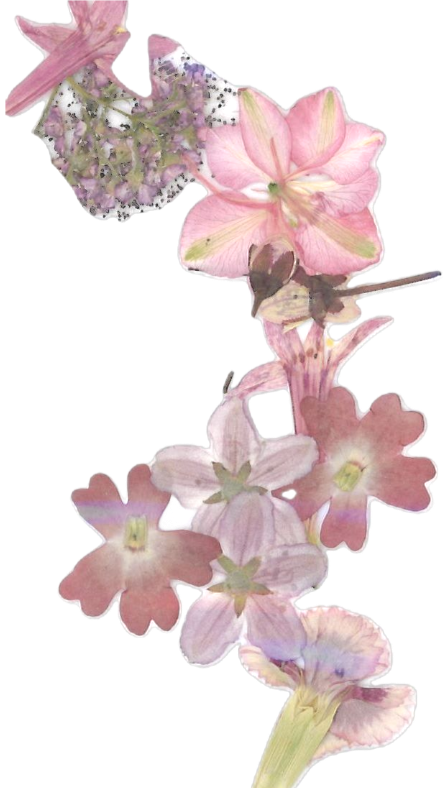
Your Mother’s Garden
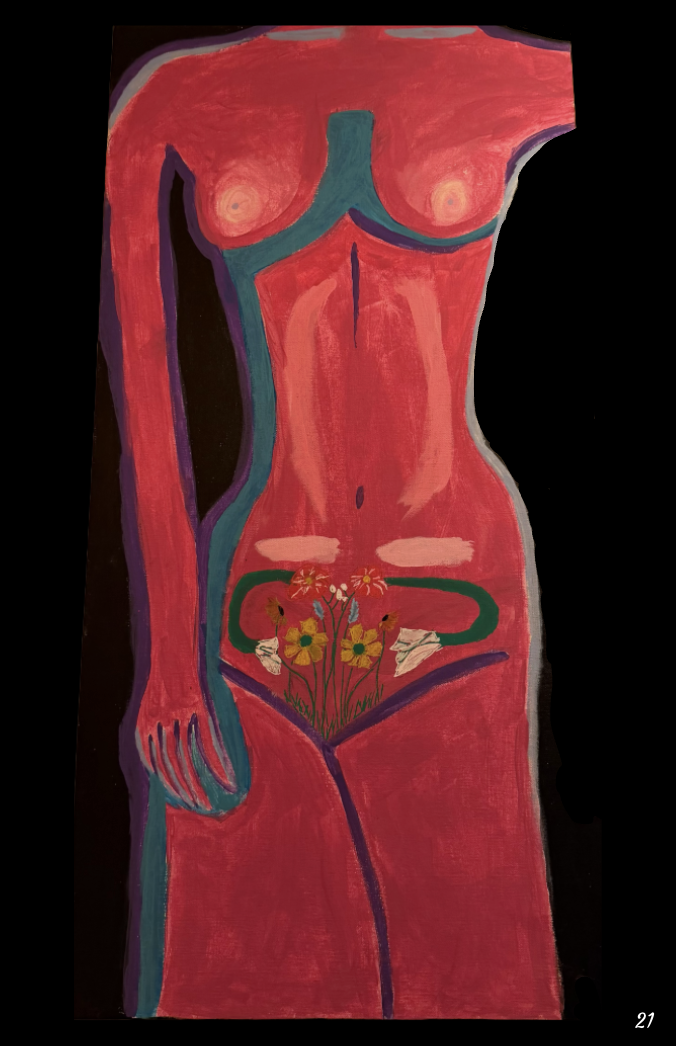
Like the universe, womanhood resists fixed measurements. In Albert Einstein’s understanding of General Relativity, reality shifts depending on where one stands. Time bends. Space curves. Meaning changes with perspective.
Womanhood often feels this way too, defined less by certainty and more by relation. It is constantly interpreted, measured, and assigned value by the world around it.
So much of modern life asks women to be seen first as bodies: to be looked at, evaluated, categorized, regulated. The body becomes evidence of worth, of morality, of identity. But living as a woman feels far less singular than that. Womanhood stretches far beyond the physical. It lives in thought, emotion, creativity, relationships, knowledge, and imagination. It exists in ways that are philosophical, social, intellectual, and deeply personal.
And still, the body matters.
Living in a female body can feel profound. Its rhythms echo the quiet cycles of the earth—growth, rest, renewal, change. Biology can feel ancient and generative, a reminder that the body itself participates in the same patterns that shape the natural world.
But when that biology becomes something to control or reduce a life to, celebration turns complicated. What is powerful becomes politicized. What is intimate becomes public.
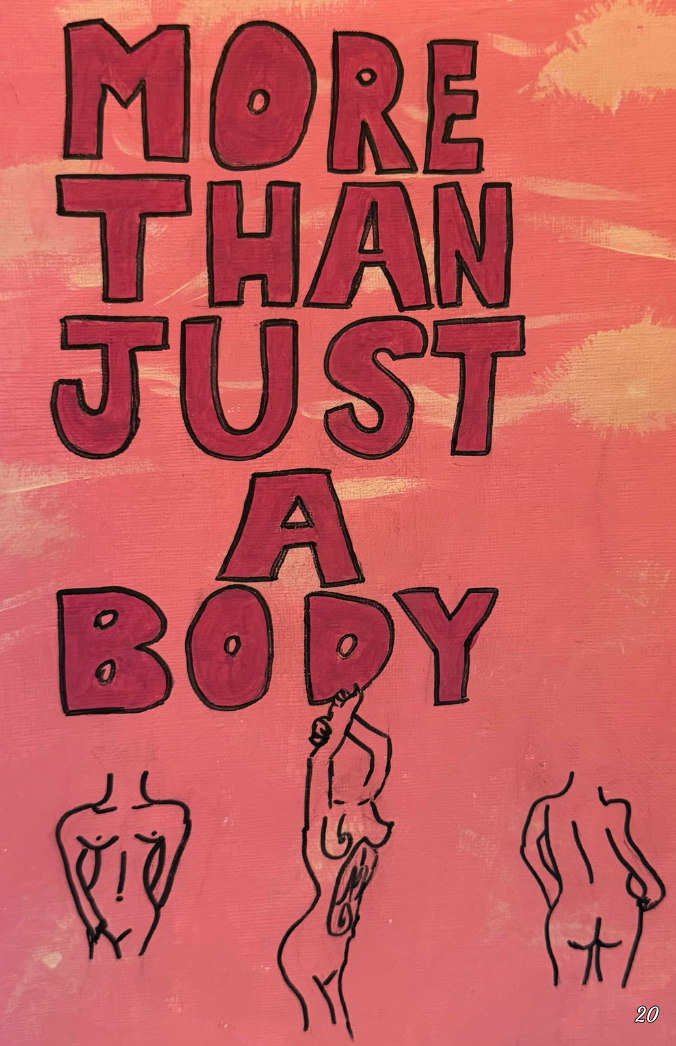
These two pieces were created at different moments in that tension. One emerged from the normalization of conversations about policing women’s bodies at a federal level. The other from the quieter, personal experience of living within an evolving female biology.
Placed beside one another, they hold both truths at once: that womanhood is deeply embodied, and also far more expansive than the body alone.
Like the universe, it cannot be understood from a single vantage point. It shifts, expands, and deepens depending on where you stand.
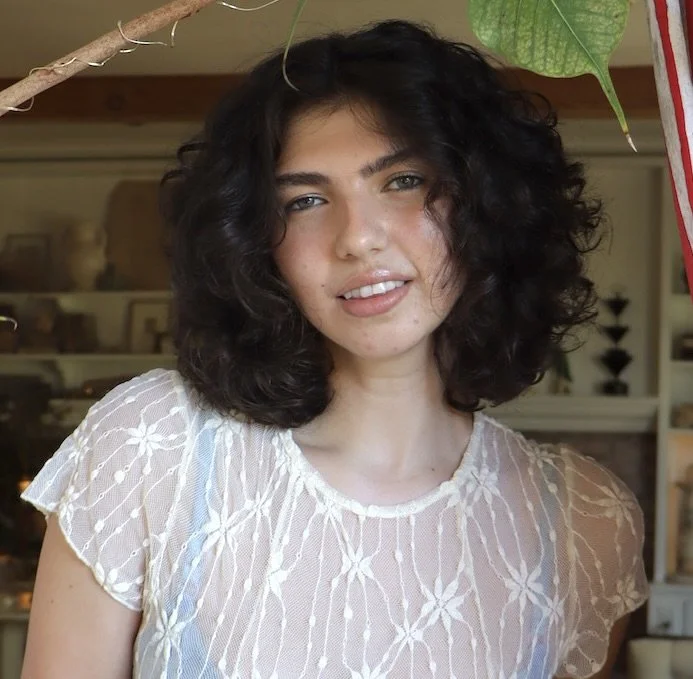
By: Stella Rose
Self Portrait
By: Audrey Houghton
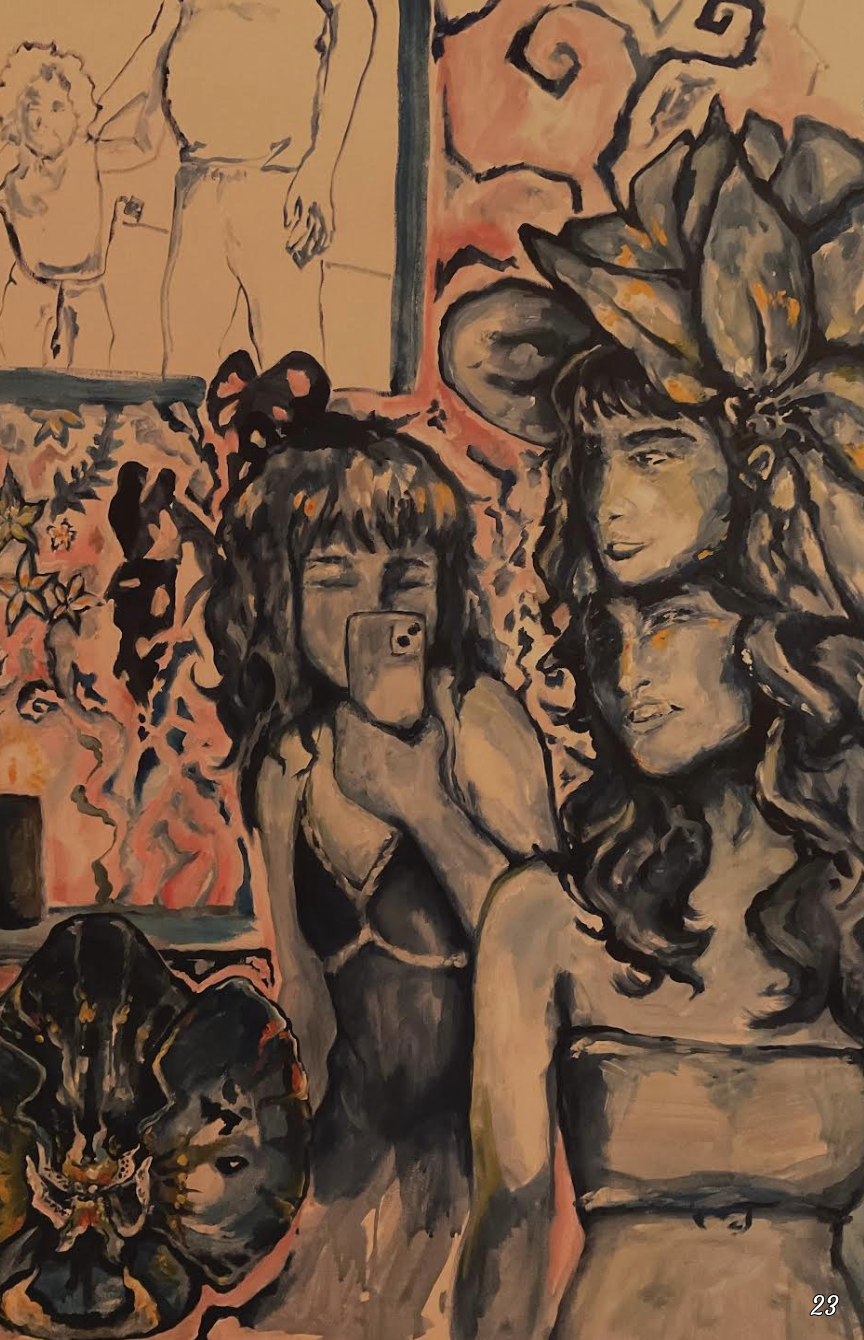
“The self portrait has to do with my experience of being non-binary, but being raised as a girl socially. The upper left corner is a loose sketch done and paint of me as a child with my mom pregnant with my little sister.”
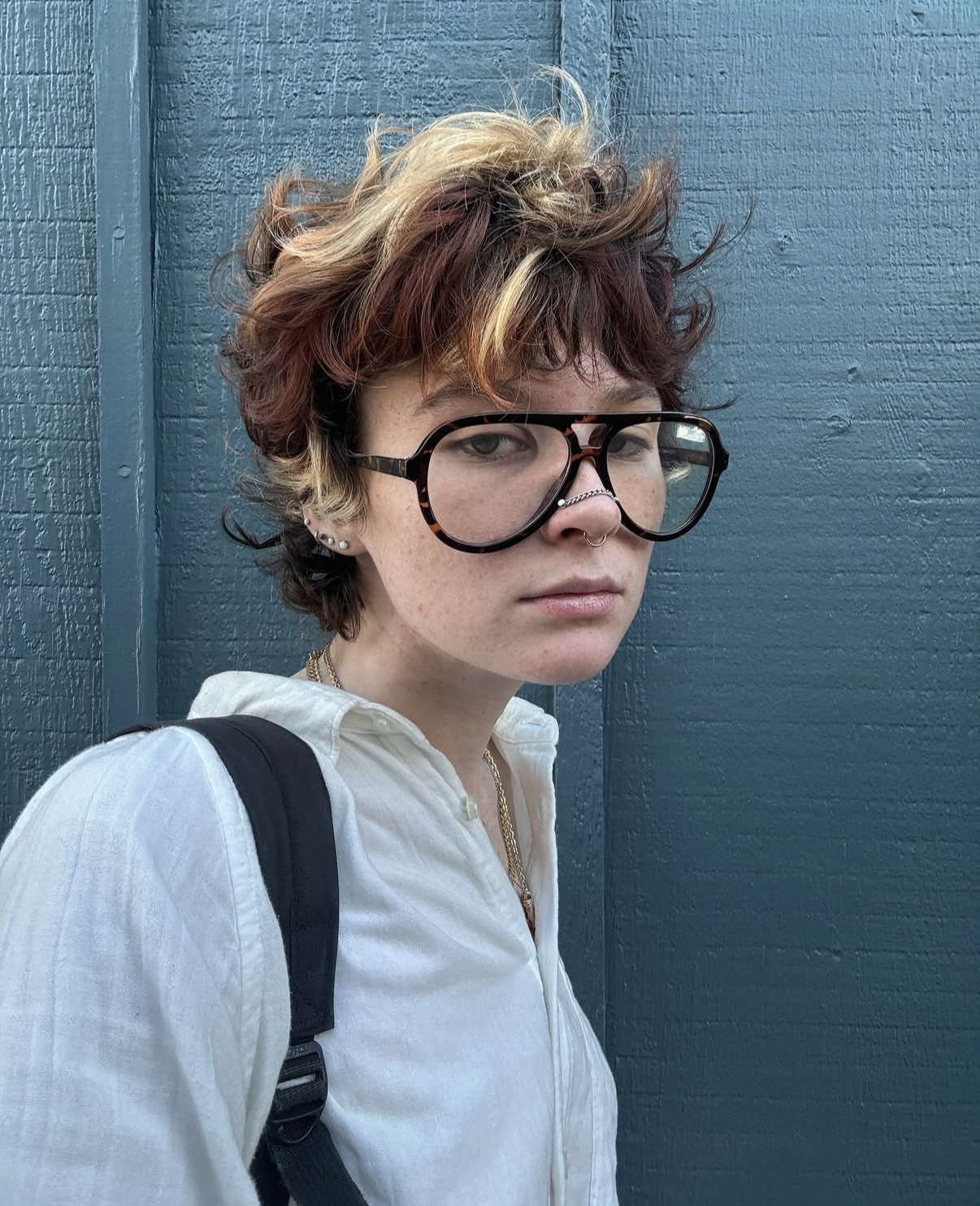
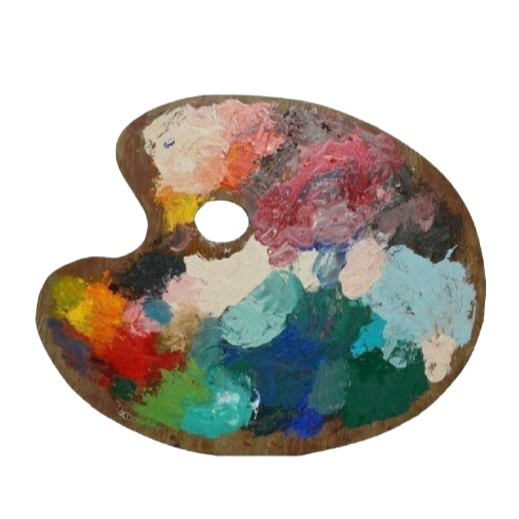
Ocean (The Giver)
By: Audrey Houghton
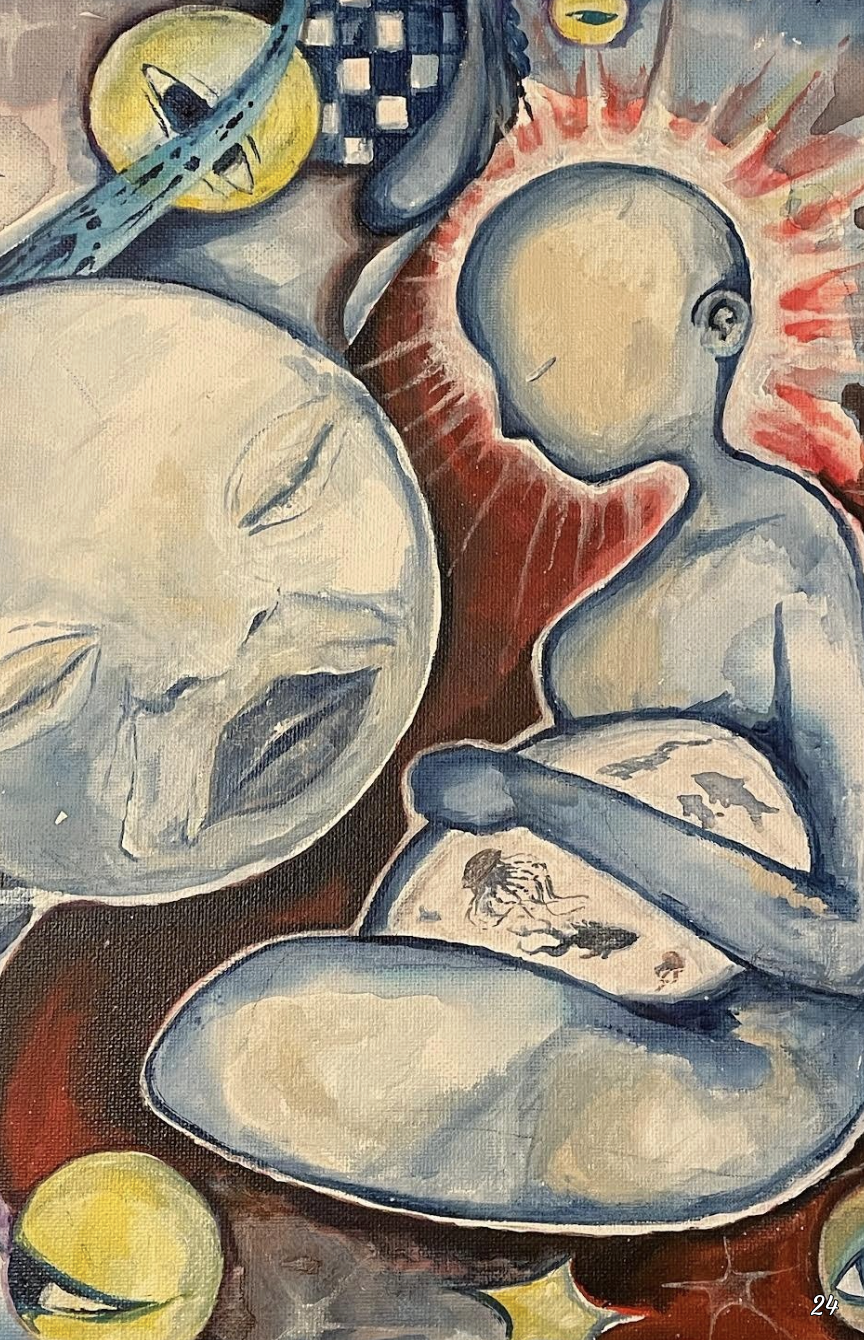
“Ocean is about the thing that gives us life. Whenever I’m feeling upset or ungrounded I go to the ocean and I talk to her. I noticed that I call a lot of natural landforms her or she and I think that in a way it’s indicative of this deeper knowing, the life-giving force that exists within everything.”
on seeing as a woman
By: Cambria Martinez
I do not like the way men look at me. Their eyes narrow and soften, floundering between predator and prey, dawdling on my features, and lingering on nothingness. Clever, they think they are. Blinking through the half-assed lie that they are listening, their cheeks hang suspiciously still. They don’t care. I feel the space between our souls like a wind ripping through a canyon; I’ll have to find them.
I march through the dust, mimicking their smiles, tracing their steps with my gaze, tracking the smoke from the fire they never put out. Always, I find them in their hollow grin scratching at shadows that sweep across the empty plains. Sometimes they catch on and fan the smoke higher. Sometimes they catch on and bury it with dirt. Usually, they don’t notice I see them; they don’t realize why they’re suddenly disarmed.
And that’s the odd thing when our souls meet. I’m a wayfarer, a stranger, they don’t know me. Whoever I am to them bats their eyelashes and giggles as the reflection of their face bounces off my pupils. Though, in a moment the spell thins, and I feel the surprise in their pulse; it beats faster as it spooks, as they notice me stare. And their eyes narrow and soften, floundering between predator and prey, knowing the prey has seen the predator and has grown fangs.
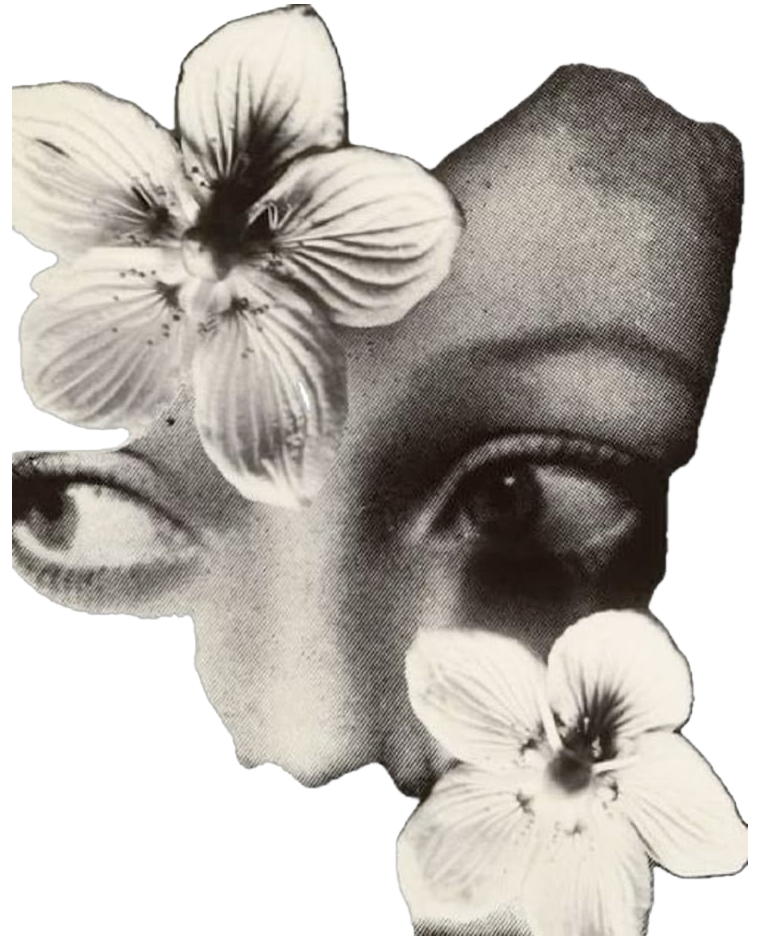
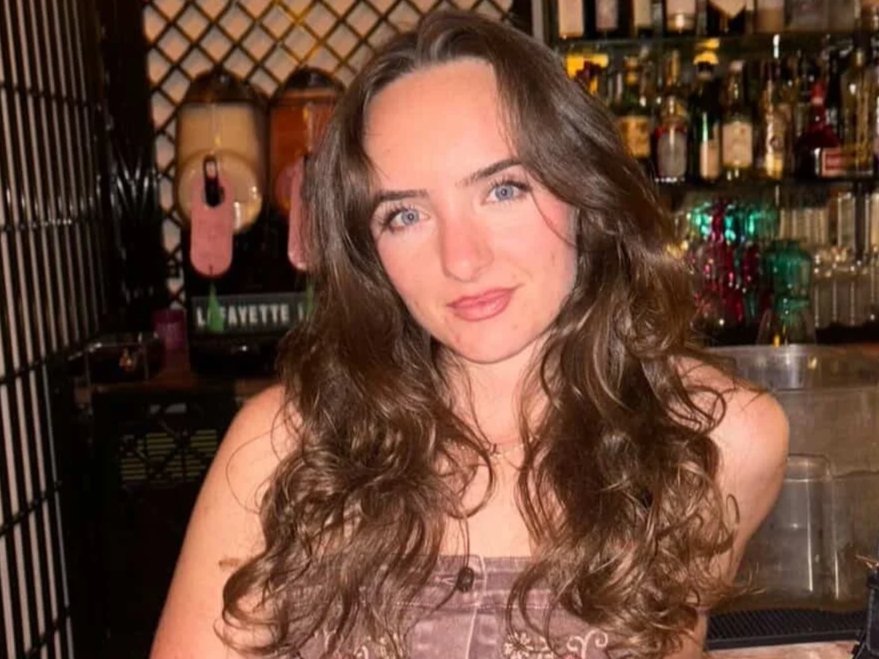
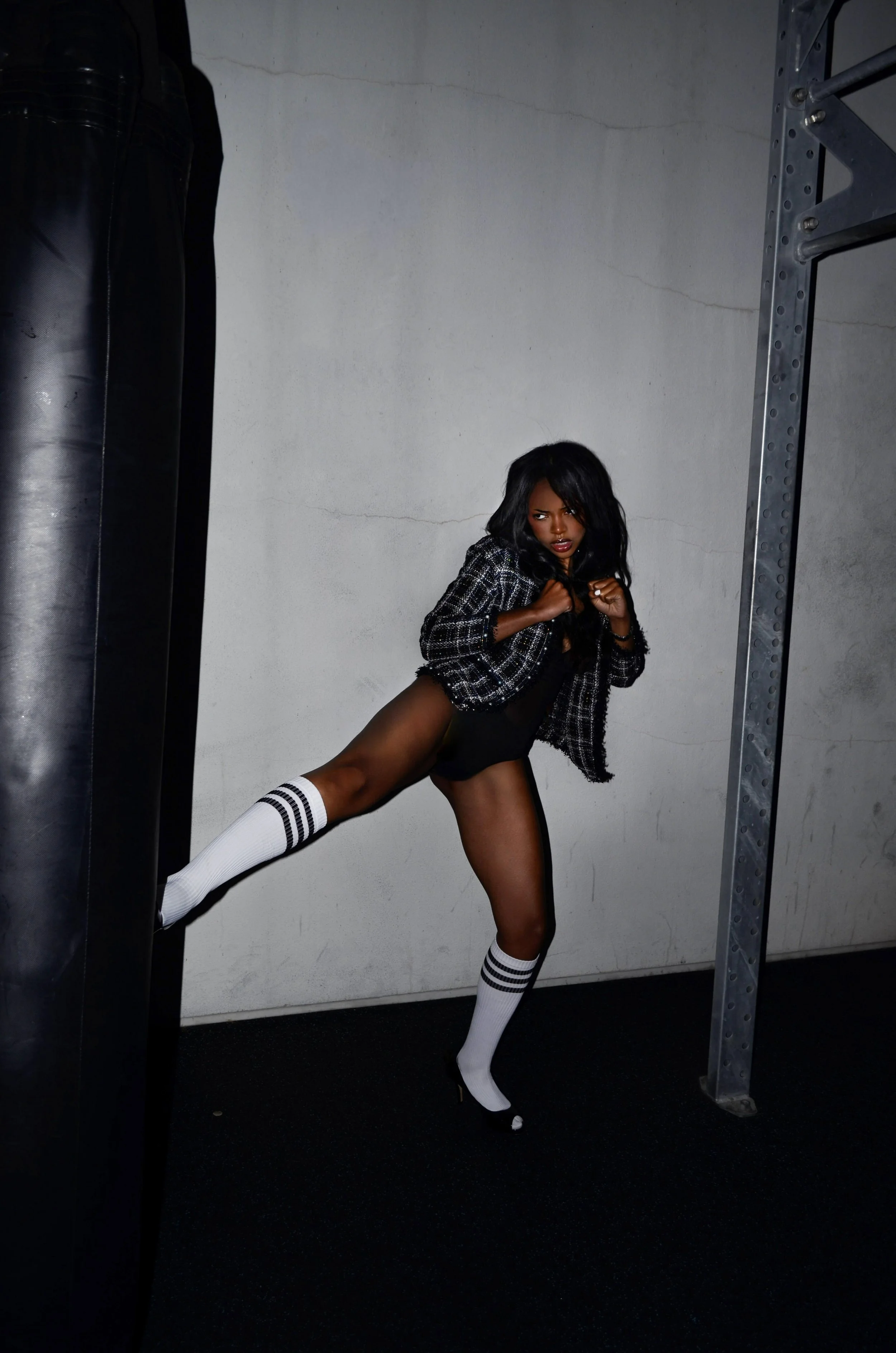
From: The Muse Directive
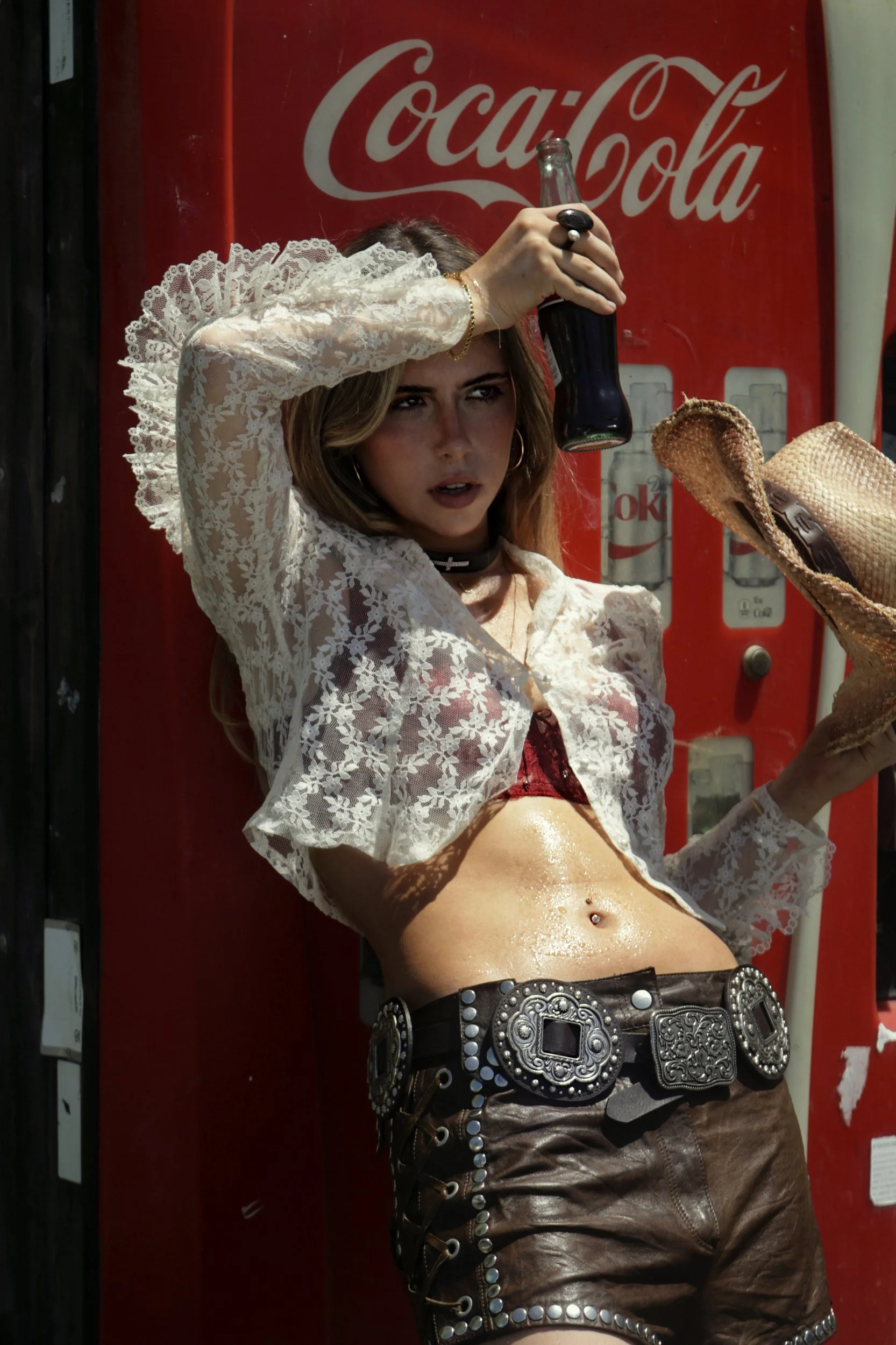
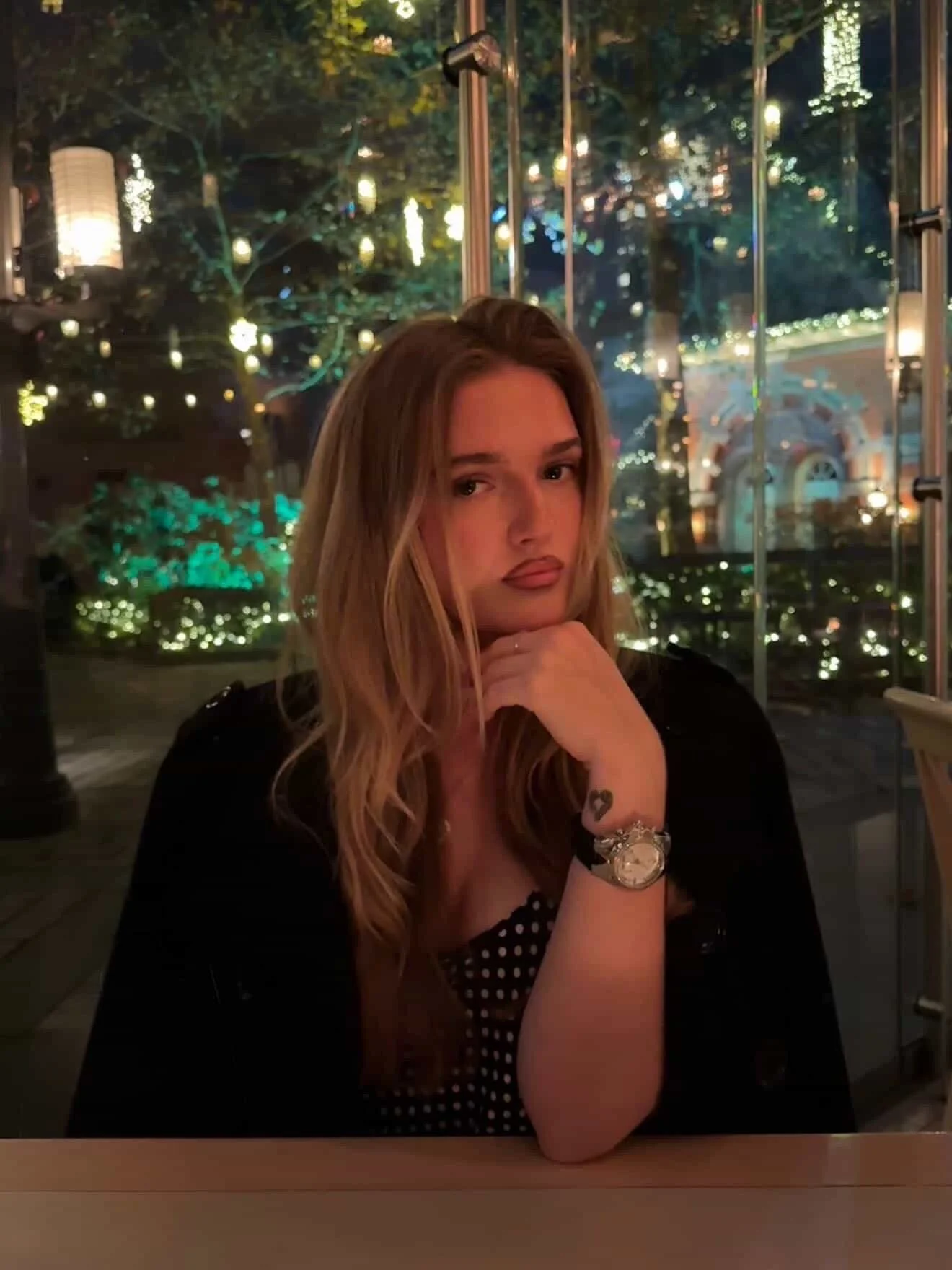
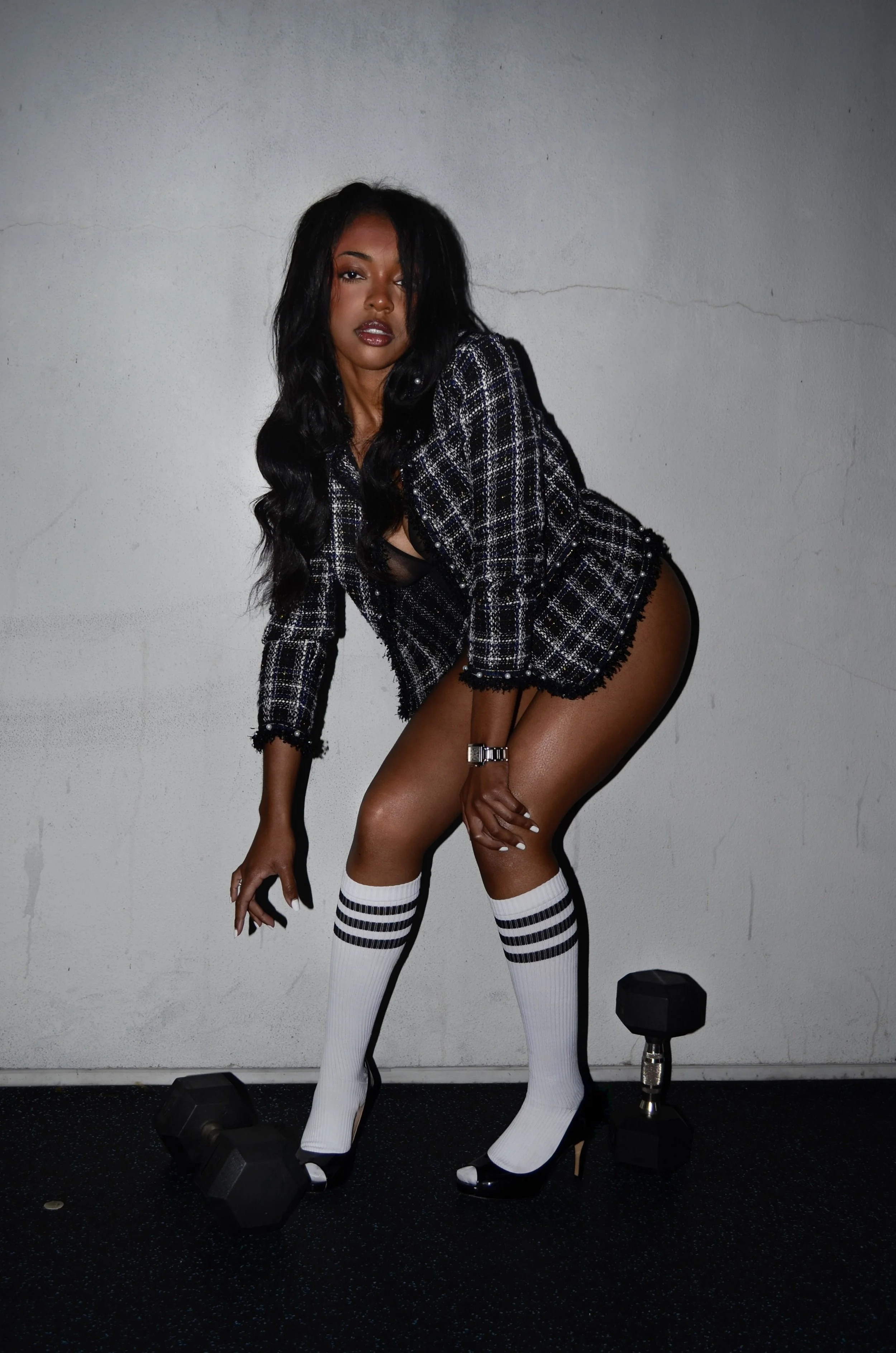
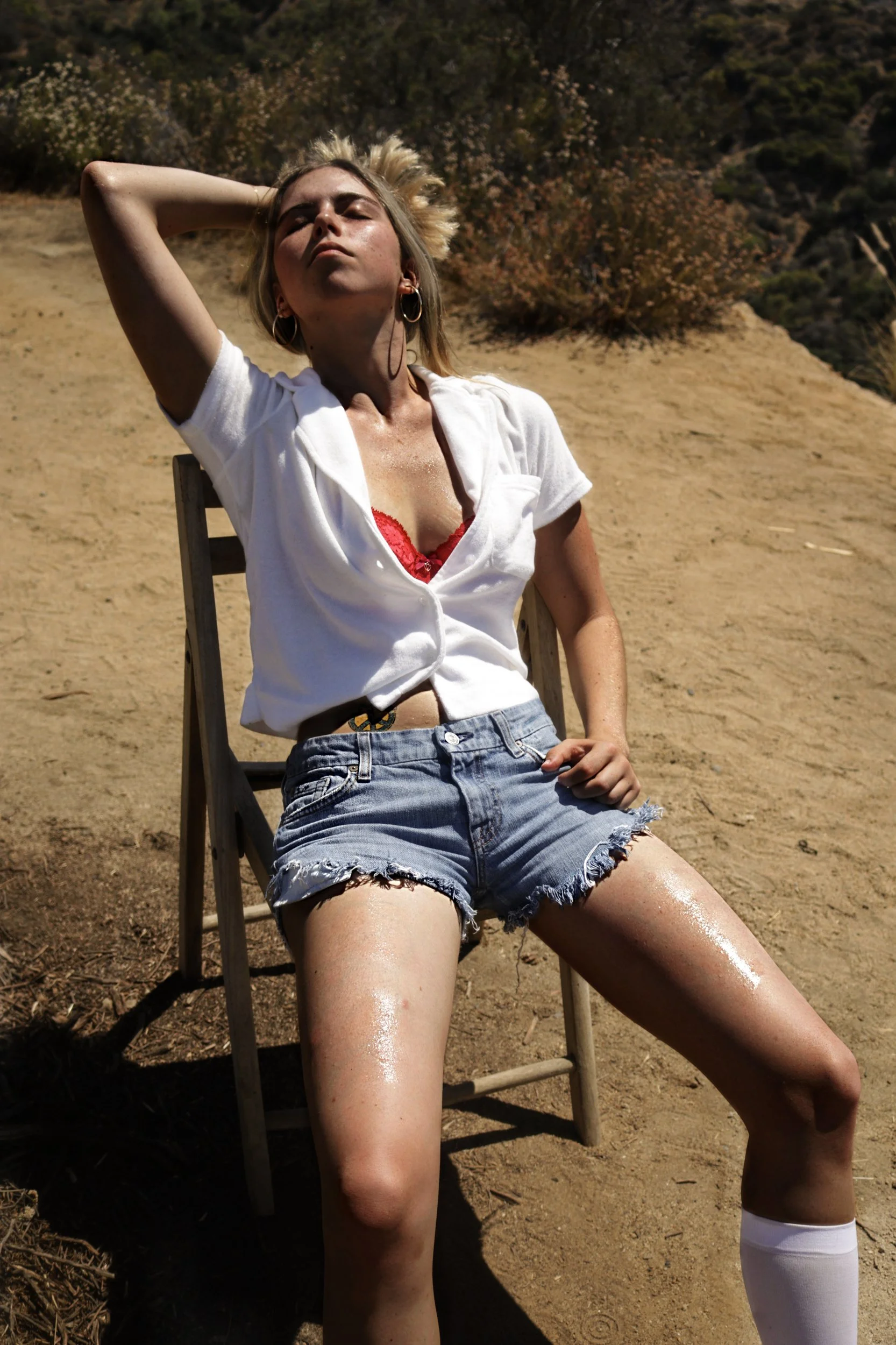
Photos by: Galatea Karinja



In Dialogue is a living forum within Both Sides Now that brings together perspectives across beliefs, geography, and generations. It is designed to reflect how people are actually thinking about the issues shaping our time, without forcing a single narrative.
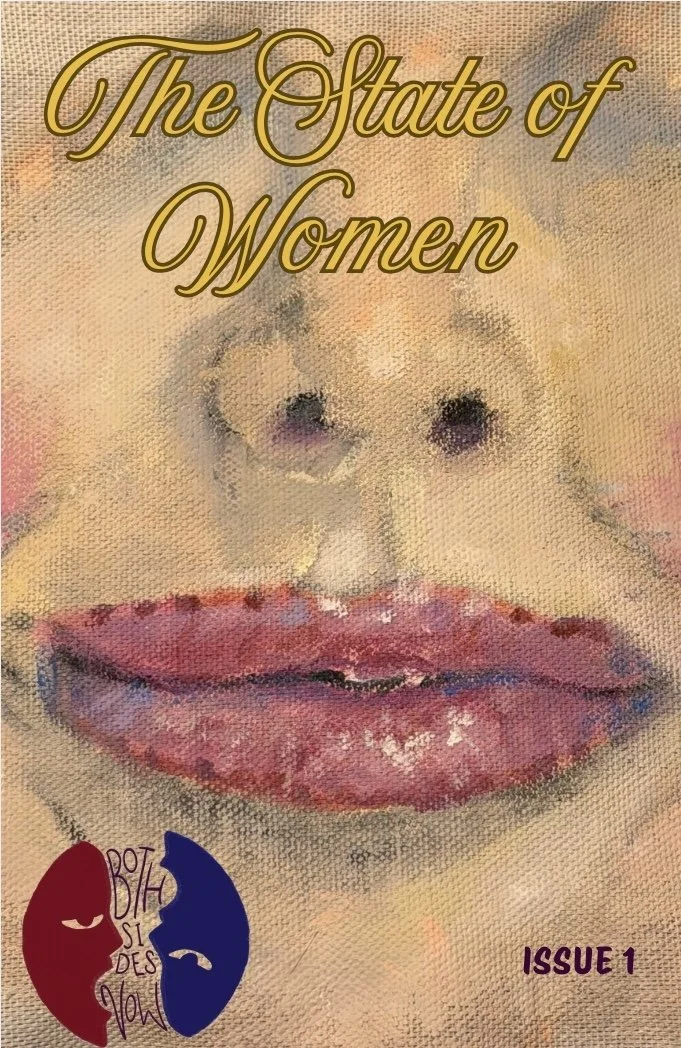
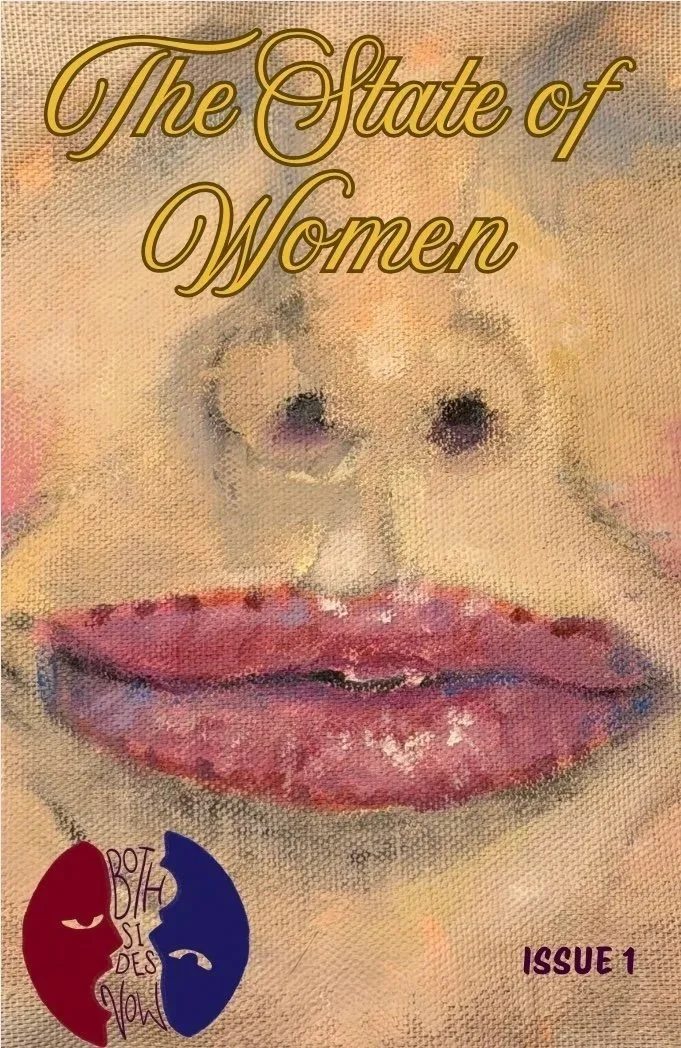
For this issue, The State of Women, we asked questions that resist easy answers and reflect the complexity of womanhood today:

If the cultural focus on appearance disappeared tomorrow, how would the conversation about women change?
“If the cultural focus on appearance disappeared, the conversation about women would shift more toward personal accomplishments, individual responsibility, personal interests, and skills. There would be less comparison based on looks and cosmetic procedures, and more of an emphasis on hard work, achievement, and character. Women wouldn’t feel the same pressure to fit into society’s beauty standards, and would have more freedom to define success through their own values and efforts.”

Logan, 22, TX
What do you believe gives womanhood its legitimacy: experience, identity, biology, culture, or a combination?
“To begin with, womanhood does not need to be justified; its legitimacy is inherent. However, when thinking about what shapes the experience of womanhood, lived experience seems central. Across cultures and contexts, many women share certain forms of social experience: being looked at, interpreted, and often defined through an external gaze; navigating expectations about behavior and appearance; and experiencing forms of othering. These patterns do not erase differences among women, but they create overlapping experiences that help form a shared understanding of womanhood. Because of that, empathy often emerges as a defining strength in many women’s lives. The constant need to read social environments, anticipate reactions, and navigate relational dynamics can cultivate a particularly strong sensitivity to others.”

Viviana, 21, NY
When you think about the public conversation around women right now, what feels most misunderstood or distorted?
“When I think about the public conversation around women today, what stands out is how much of the criticism comes from women judging other women. The focus often turns to personal values, choices, and accomplishments, rather than lifting one another up. Women who achieve success are frequently criticized for their personal, professional, or political decisions. Independence is another key part of the conversation. Today, many women pursue careers, goals, and leadership, often delaying or redefining marriage and motherhood. At the same time, those who choose to focus on family are sometimes treated as if their role is less important. In reality, raising children and building a home is deeply meaningful work. Yet I have seen women dismiss or even insult stay-at-home mothers. No matter how a woman shows up, she is judged. While men have always played a role in this, it is the judgment from other women that feels most disheartening. In the end, every woman is someone’s mother, daughter, sister, or niece. We should honor each other’s paths and recognize that none of it has been easy. If the conversation feels distorted, then it is on all of us to help change it.”

Pamela, 59, NV
Do you feel personally connected to the broader story of womanhood, or do you see it as something fragmented into competing definitions?
“When people discuss Women’s History Month, they often point to marches, speeches, and figures like Gloria Steinem or Betty Friedan. Having come of age in the late 1960s, I felt deeply connected to that movement. I was there for the marches, but I also did the quieter, behind-the-scenes work. I truly tried to “walk the walk.” At the time, I was a divorced mother of two, working full-time and trying to make it from one paycheck to the next in a world where women earned far less than men. I didn’t see myself as a pioneer. I was just trying to hold my life together and raise my kids. But sometimes history sneaks up on you. In 1972, I was sent to an all-male LNG construction site in Borneo, knowing that if I failed it would confirm every doubt about women, and if I succeeded it might open the door for others. I went anyway, leaving my children behind, and over time proved I could do the job, and not long after, more women began stepping into roles that had once seemed unthinkable. Change doesn’t always come from big moments. Sometimes it comes from someone quietly stepping into a role they were never meant to fill and refusing to fail.”


Peggy, 77, NV
In Dialogue: Across Borders
By: Ellie Barrickman
How do the people of Rome feel about the topics that characterize the American political landscape?
As an American living in Rome, I set out to answer these questions through a series of street interviews. San Lorenzo is home to La Sapienza University, the oldest university in the city and the largest in Europe. I talked with a number of people who shared their thoughts on the topic of this issue of Both Sides Now, the politicization of women’s appearances. From our conversations, I learned about women’s images in Italian politics, but also heard universal sentiments about the judgement and value of women in society. It doesn’t seem to matter which society; the pressure to perform well and to look good while doing it is universal.
Italy is often regarded as highly patriarchal, reflected in its rates of femicide and a growing wage gap. In my video, a red wall lined with white silhouettes serves as a memorial to women lost to gendered and domestic violence. Simultaneously, the country is led by its first female Prime Minister, Giorgia Meloni, a conservative leader who does not identify as a feminist. Across the spectrum, female leaders receive mixed reactions shaped not only by policy, but by perception. What became clear, especially among young people in San Lorenzo, is how closely these dynamics mirror those in the United States. No matter the country, the image of a woman remains fragile, powerful, and constantly judged.
The following video, which I filmed and translated, brings these street conversations to life, capturing the voices and perspectives of young Italians.

Meet the Contributors: Issue 01

Cassidy Serino

Natalie Straton
Isabella “Mini” Acuña
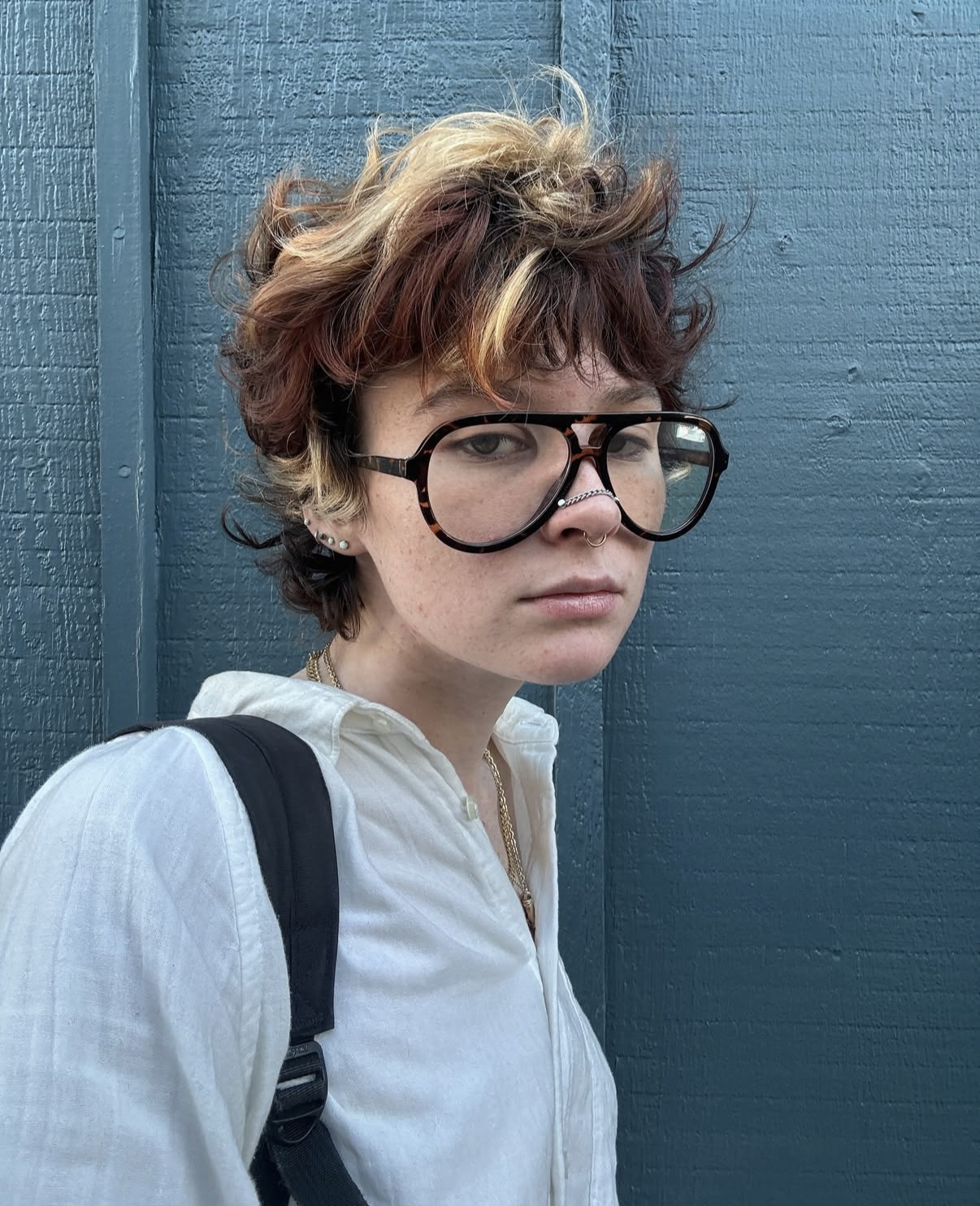
Audrey Houghton
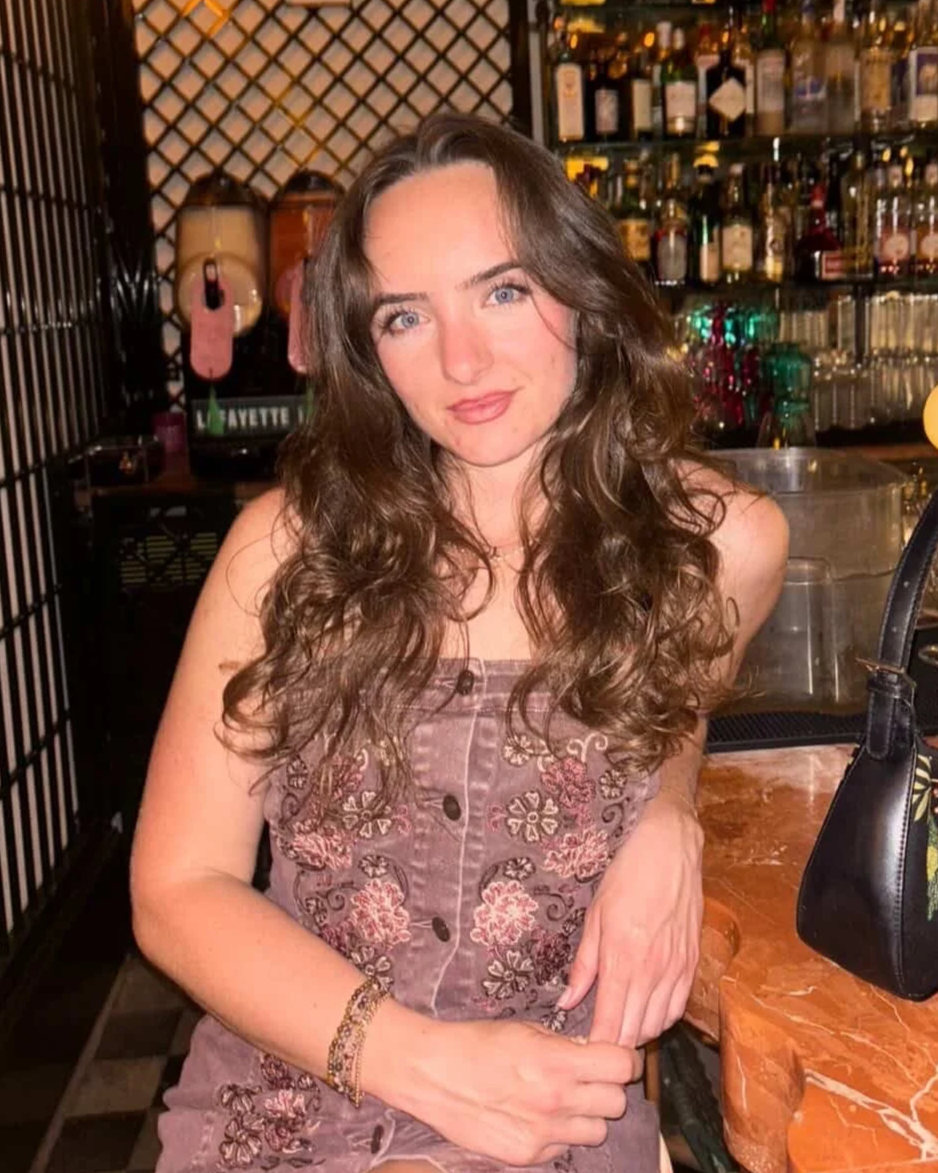
Cambria Martinez
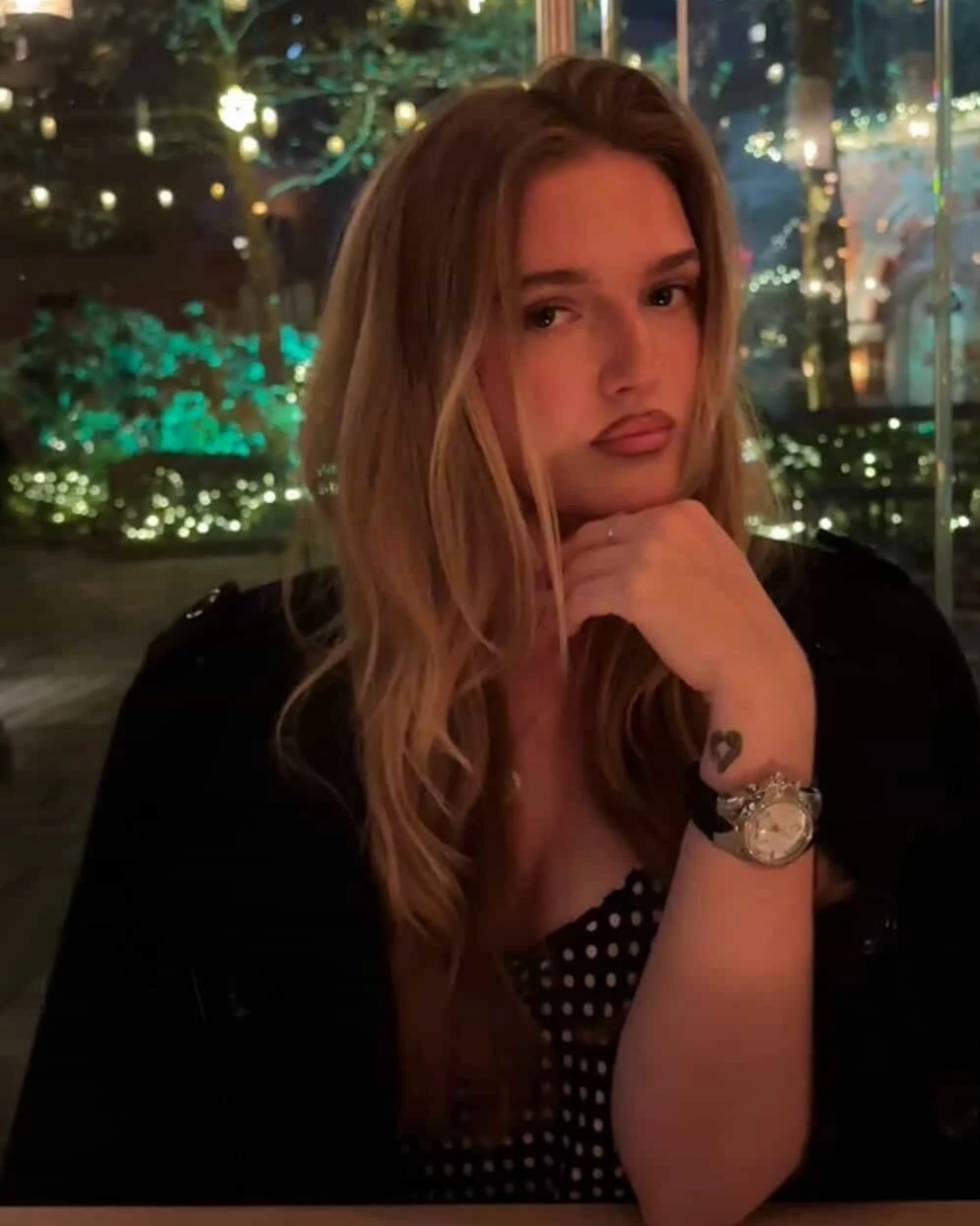
Galatea Karinja

McKenna Dixon
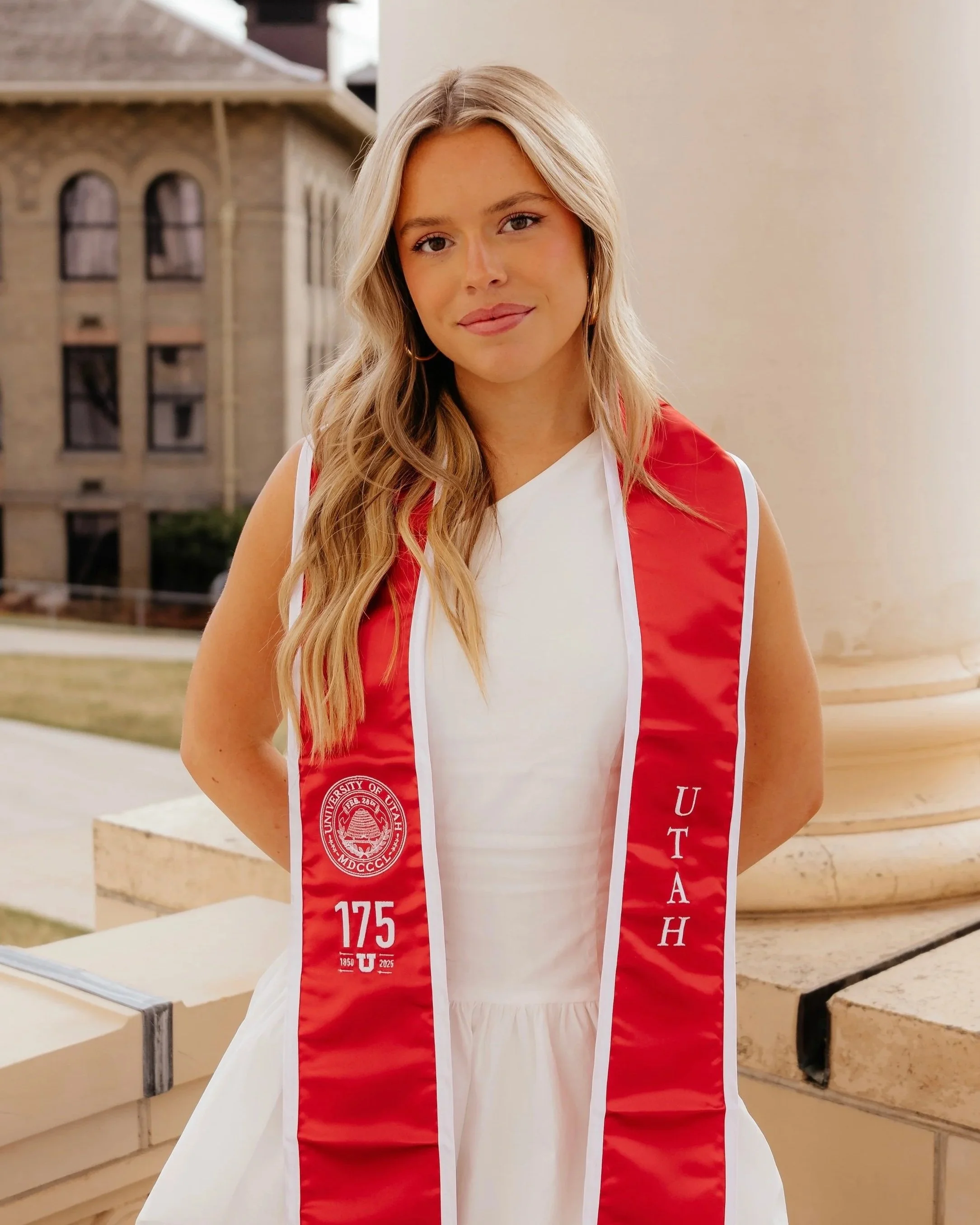
Logan Kirkpatrick
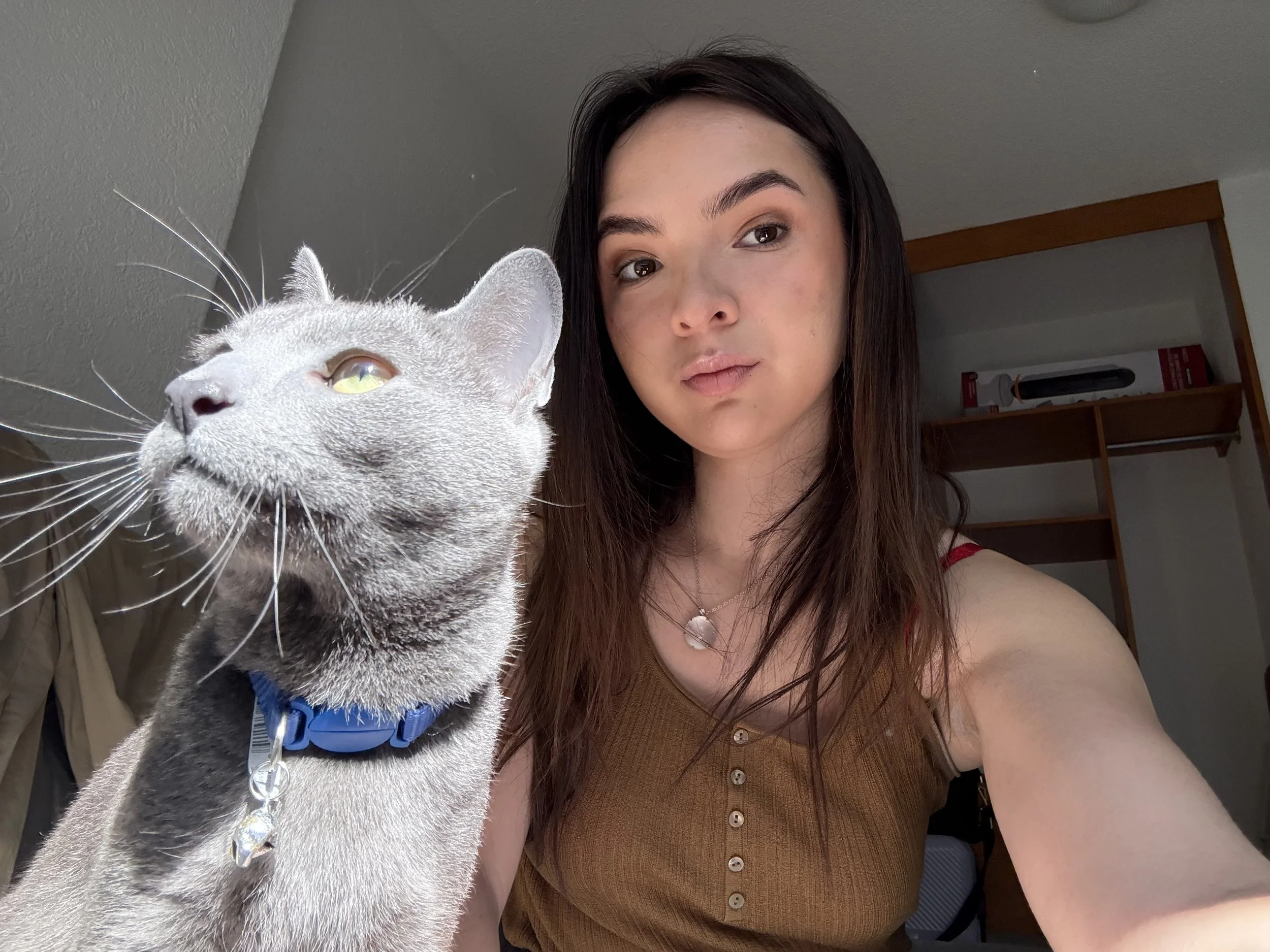
Viviana Adame
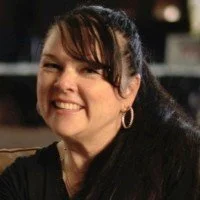
Pamela Kendall
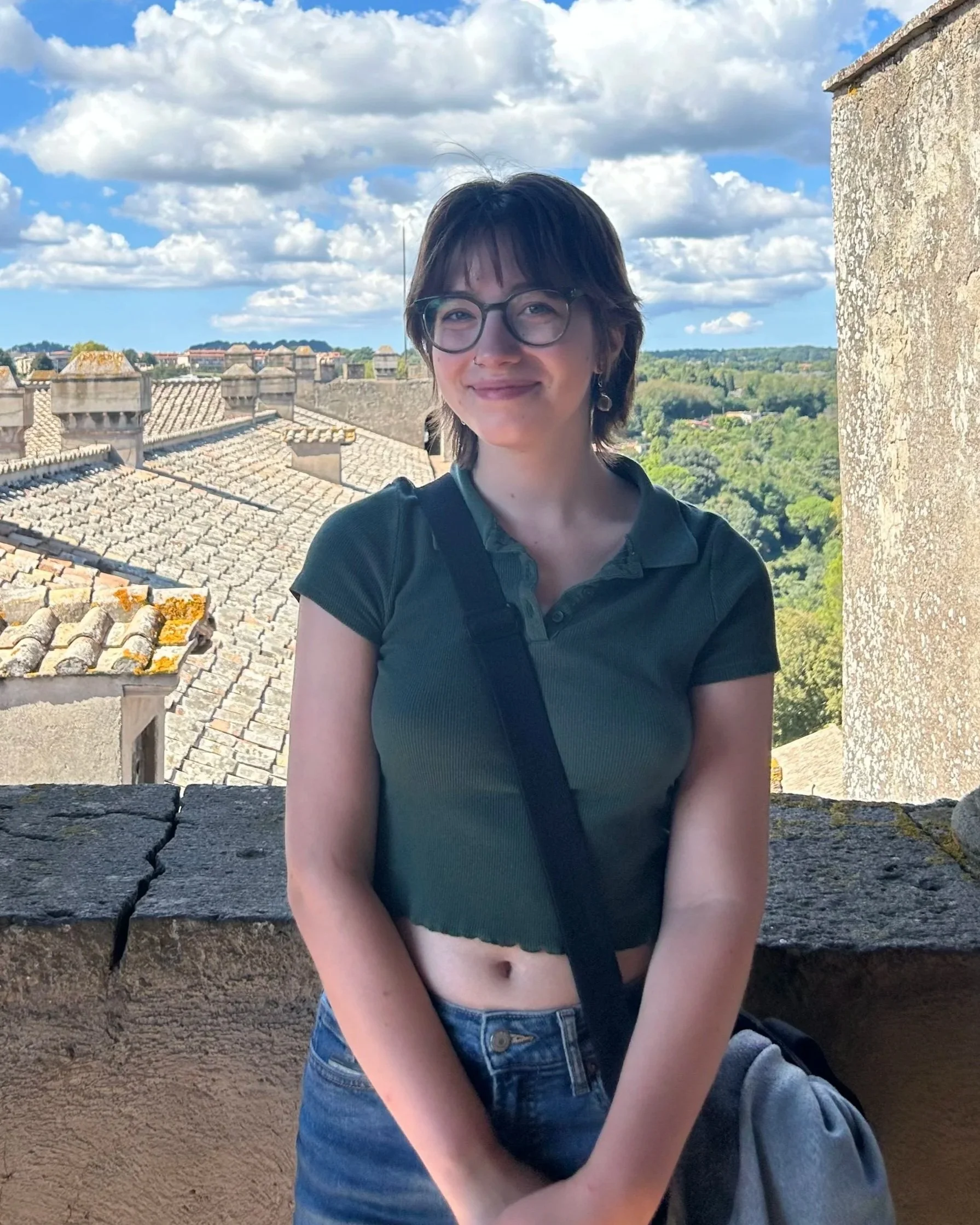
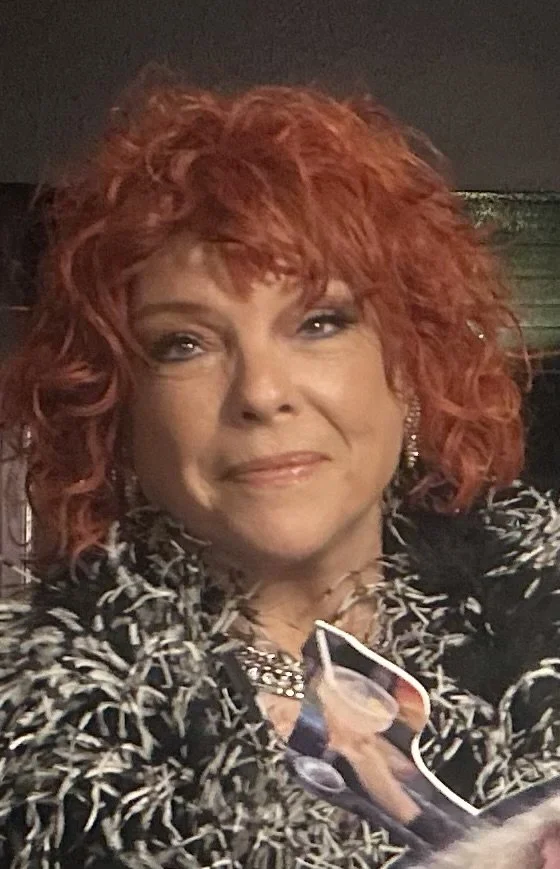
Peggy Shaner
Ellie Barrickman
Meet the Founder & Both Sides Now
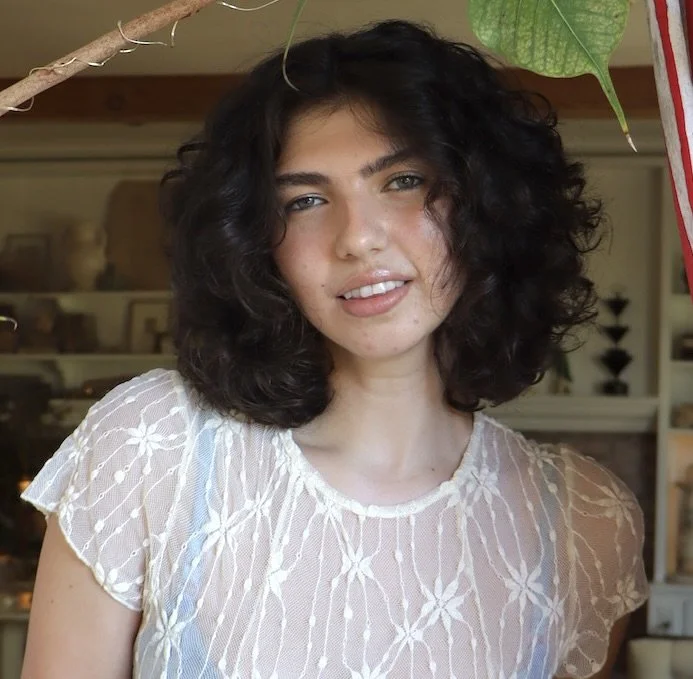
Stella Rose

FounderBoth Sides Now is an evolving project. Each issue explores a topic at the center of public debate, one that shapes our politics, culture, and private lives.
Our goal is not to settle these debates but to deepen them. Through essays, interviews, art, and dialogue, we create space for ideas that challenge, surprise, and expand how readers see the people around them.
In a time of division, the simple act of listening to an argument, a story, or a work of art can be a powerful form of resistance.
“My work in diplomatic spaces has shown me that the most meaningful conversations happen when people allow room for nuance and recognize the humanity across the table. Yet the political moment we are living in has carried those divisions into our most personal spaces.Both Sides Now was created from a belief that we are capable of confronting complexity and understanding one another without turning disagreement into enmity. It is an invitation to return to that belief.”
This publication would not exist without the creative vision of Isabella “Mini” Acuña, whose artistic eye helped shape the visual language of the magazine—from the logo to the page numbers and illustrations that bring these pages to life.
Sources & Resources
-
Berger, John, and Michael Dibb. Ways of Seeing: Based on the BBC Television Series Directed by Michael Dibb. London: British Broadcasting Corporation, 2008.
-
Burnett, Maggie (@itsmaggieburnett). Instagram video responding to a Vanity Fair feature on Karoline Leavitt. Instagram.
-
Clark, T. J.. The Painting of Modern Life: Paris in the Art of Édouard Manet and His Followers. New York: Alfred A. Knopf, 1985.
-
Curran, Faye. “Rise of the ‘Transvestigators’ Who Think Michelle Obama Is a Man.” Australian Financial Review, 2025.
-
Donnella, Leah. “Is Beauty in the Eyes of the Colonizer?” NPR. February 6, 2019.
-
Obama, Michelle. Interview on Call Her Daddy. 2026.
-
Sturken, Marita, and Lisa Cartwright. Practices of Looking: An Introduction to Visual Culture. New York: Oxford University Press, 2018.
-
“Trump Comments on Karoline Leavitt’s ‘Lips’ During Rally.” The Sun. December 10, 2025.
More for the Curious
Foundational Ideas on Gender and Social Expectations
The Second Sex — Simone de Beauvoir
A landmark philosophical examination of how societies define and construct womanhood.
Gender Trouble — Judith Butler
Introduces the concept of gender as something socially performed and constantly interpreted by others.
Beauty, Appearance, and Cultural Pressure
The Beauty Myth — Naomi Wolf
Argues that beauty standards function as a powerful cultural force shaping women’s social value.
Beauty Sick — Renee Engeln
Psychological research on how appearance culture affects women’s mental health and life choices.
Unbearable Weight — Susan Bordo
Examines how cultural expectations surrounding the body influence identity and discipline.
Tradition, Culture, and the Role of Women
The Case for Patriarchy — Steven Goldberg
A controversial sociological argument about gender roles and the persistence of male-dominated social structures.
The Flipside of Feminism — Suzanne Venker
Critiques modern feminist assumptions and explores how cultural expectations around work, family, and identity affect women.
Love and Economics — Jennifer Roback Morse
Looks at family structure, marriage, and cultural norms through an economic and social lens.
Cultural Commentary and Contemporary Voices
Bad Feminist — Roxane Gay
Essays on the contradictions women navigate in modern identity and cultural expectations.
We Should All Be Feminists — Chimamanda Ngozi Adichie
A widely read reflection on gender norms and cultural assumptions.
Research and Data
Pew Research Center: Studies on gender attitudes, generational perspectives, and the evolving expectations of women.
UN Women: Global research on the status of women across cultures and societies.